

Why the Best PCB Supply Chains Are Built Like Relationships, Not Transactions: Lessons for Satellite Communication PCB Programs
What actually makes a long-term PCB supply chain partnership work — shared
I’ve always felt that many people’s perception of circuit boards is stuck on those standard green plastic boards, assuming they are all more or less the same. In reality, when you start working with equipment that handles high energy loads or high-frequency signals—such as power modules for electric vehicles or long-range radar systems—you quickly realize that ordinary materials simply cannot handle the strain.
I have seen designs where conventional FR materials were used for the substrate to cut costs initially. The result? The equipment would overheat shortly after operation began, and signal stability would deteriorate. It was like putting bicycle tires on a sports car.
That is when you realize where the root of the problem lies. The truly critical element is the foundation that supports everything: the substrate. It must be exceptionally stable.
Ceramics demonstrate completely different characteristics in this regard. Their thermal conductivity is far superior; heat doesn’t accumulate in one spot to gradually damage the entire system, but is instead rapidly dissipated.
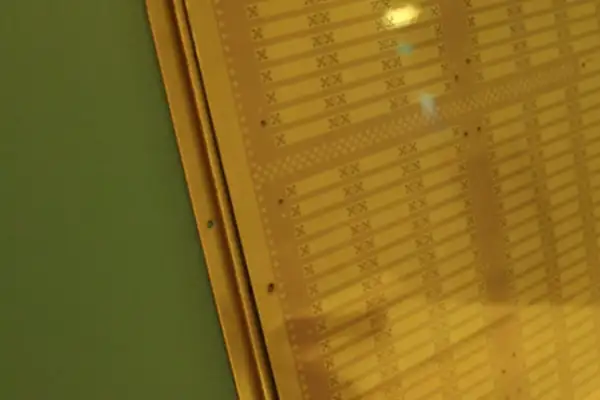
This is crucial for systems requiring long-term, stable operation. Furthermore, signals become highly sensitive in high-frequency environments. While ordinary organic materials suffer from increased signal loss and degraded quality at high frequencies, ceramics maintain excellent electrical stability. This is not merely a theoretical advantage. I once worked on a project involving miniaturized communication equipment where internal space was extremely tight and heat generation was high; our initial design attempts kept failing due to thermal management issues. However, the situation changed immediately after we switched the core of the design to ceramic-based circuit boards. The device not only ran stably but also kept temperatures within a reasonable range—a transformation that left a deep impression on me.
Of course, cost is an unavoidable topic. High-quality ceramic circuit boards are indeed significantly more expensive than standard ones, but this shouldn’t be viewed merely as an extra expense; it is more of a safeguard—an investment in the system’s long-term reliability. When you consider the potential for equipment damage caused by overheating or performance losses due to signal instability, that upfront investment becomes essential. It is, in fact, a smarter approach to cost control.
That’s why I believe we shouldn’t just focus on the unit price listed on the purchase order. We need to look further ahead—considering performance over the entire product lifecycle and the actual user experience. Sometimes, spending a little more on robust base materials can prevent much bigger headaches down the line. It’s a classic case of “sharpening the axe saves time when chopping wood.” Especially in fields with rigorous performance demands, the choice of base material often determines how far you can go.
I do feel, however, that many engineers today are a bit too obsessed with ceramic circuit boards. Sure, their thermal performance is outstanding, but aren’t we often swayed too much by impressive specs? Everyone rushes to discuss thermal conductivity figures while overlooking the more subtle issues involved in actual application.
Take a project I worked on last year, for instance: the client insisted on using top-spec aluminum nitride substrates to ensure foolproof chip cooling. The result? The entire production process became incredibly complex, and costs more than doubled. Later, we ran comparative tests and found that alumina (aluminum oxide) ceramics were perfectly adequate; the performance difference was barely noticeable in real-world use, yet the cost was far more reasonable.
To me, the greatest value of ceramic materials lies not in those extreme specifications, but in their stability. This is particularly important in high-frequency environments, where the tendency of ordinary materials to change properties with temperature can be a real headache. Everything might look perfect during the design phase, only for various forms of drift to occur during actual operation. A high-quality ceramic substrate, on the other hand, provides a relatively stable platform that allows your design intent to be truly realized.
That said, I should also point out that not every application requires ceramics. Many improved organic substrates now offer impressive performance, especially for cost-sensitive, high-volume consumer products. Sometimes, the price paid for a marginal performance gain far outweighs the actual benefits.
I’ve seen too many engineers get bogged down in comparing technical specifications when selecting substrate materials, forgetting to ask the most fundamental question: What does my product actually need? Is it superior thermal dissipation or stable electrical characteristics? Pushing limits or ensuring reliability? Every project demands a different answer.
Ceramics are excellent materials; their effortless handling of high-power chips is particularly impressive. However, they aren’t a cure-all. Choosing the right material requires balancing performance, cost, and manufacturing processes, rather than simply chasing the highest specifications. After all, the best technical solution is always the one best suited to the specific application.
Sometimes I feel that in this era of chasing extreme specs, we should return to common sense: using the most appropriate material to solve the most practical problems. After all, the essence of engineering design is problem-solving, not showing off, right?
I’ve noticed an interesting phenomenon recently: many people reflexively assume ceramic circuit boards are exorbitantly expensive. That’s actually a misconception. Take the most common alumina substrates, for instance—they really aren’t as pricey as you might think. I know plenty of people making control boards for home appliances or standard industrial sensors who are still using traditional fiberglass boards. They often view switching to ceramic as an “upgrade” that would cause costs to skyrocket, but in reality, many standard alumina boards are now very affordably priced.
If your product doesn’t have extremely demanding thermal requirements—say, for standard LED beads or thermostats—there’s really no need to fixate on high-end materials right from the start.
That said, the situation changes when your product’s power density increases. That’s when you truly appreciate the differences between materials.
A classic example I’ve seen involves packaging projects for high-power lasers. Initially, the team used standard materials just to see how they’d perform, only to find they couldn’t keep the chip temperature under control. The problem was only resolved when they switched to aluminum nitride substrates, which offer superior thermal conductivity.
However, there is a common pitfall here: many people assume that good thermal conductivity solves everything. In fact, for certain applications, mechanical strength can be even more critical than thermal conductivity!
Take power modules in automotive electronics, for instance: they need excellent heat dissipation, but they also have to withstand vibrations from bumpy roads and the thermal shock caused by rapid temperature fluctuations. That’s where the advantages of silicon nitride really shine—it is exceptionally tough and resistant to cracking.
So, there is no single “right answer” when choosing a ceramic substrate; it all depends on where the product will be used and the environmental stresses it must endure.
I often joke with clients that choosing a material is like looking for a partner—you can’t just focus on one good quality; you have to consider the whole picture.
Beyond the material itself, the process of actually creating the circuitry on the ceramic is a complex art in its own right. It directly impacts the final product’s performance and reliability!
Traditional thick-film processes are cheap but lack precision, making them unsuitable for many high-performance applications today. In contrast, methods like thin-film processing or DPC (Direct Plating Copper) may cost more, but they yield finer circuitry and superior current-carrying capacity.
Ultimately, the choice of ceramic PCB solution must align with the product’s specific requirements. Don’t be intimidated by fancy terminology, but don’t sacrifice essential performance just to save money, either. Finding that balance is what matters most.
When I first encountered ceramic circuit boards, I thought they were just some sort of high-end novelty. I soon realized that wasn’t the case at all. Take basic circuit routing, for example—many people assume that narrower traces are always better, right? That’s not necessarily true.
I once saw a project where they pushed trace widths below 30 microns in pursuit of extreme density, only to end up with terrible signal interference. Sometimes, simply relaxing the width to 50 microns actually results in much greater stability. It really comes down to the material’s properties.
The biggest advantage of ceramic substrates is their astonishing heat dissipation capability.
We once tested a sample used in a power module; after running at full load for 72 consecutive hours, the temperature rose by less than 10 degrees. With ordinary materials, that would have caused a failure long before.
Speaking of the DPC process, it’s actually quite fascinating. The method of plating copper directly onto the ceramic creates an incredibly smooth surface, which is crucial for high-frequency applications.
I handled an RF project that utilized this process, and the performance of the resulting microstrip lines was vastly superior to those made with traditional methods. However, DPC isn’t suitable for every situation. For instance, when handling high currents, you need thicker copper layers, making other manufacturing processes a better fit. Every technology has its own ideal use case; there is no absolute “best” or “worst.” Many people blindly chase the latest processes, which often leads to a waste of resources.
I’ve seen so many engineers insist on the most advanced solution right off the bat, only to find their costs tripled while performance gains remained negligible. What really matters is understanding the specific requirements of your application. Is heat dissipation the priority, or signal integrity? Are you aiming for high density or high reliability? Clarifying these factors makes choosing the right process much easier.
The field of ceramic substrates evolves rapidly with new processes constantly emerging, yet the fundamental principles remain largely unchanged—it’s all about how to best bond metal to ceramic.
Sometimes I feel that rather than chasing the latest tech, it’s more practical to thoroughly master existing processes. After all, reliability and cost control are what most projects truly need, right?
I’ve noticed an interesting phenomenon lately: when people talk about circuit board materials, they often think only of standard FR-4. In reality, there are many other options worth exploring in this field. Take ceramic substrates, for example—the term might sound a bit overly technical. Beyond LTCC and HTCC, there are various ceramic materials like alumina, aluminum nitride, and silicon nitride. Each offers unique advantages in terms of thermal conductivity, mechanical strength, and dielectric constant, making them suitable for diverse sectors ranging from automotive electronics to medical equipment.
But I have to be honest: a standout feature of ceramic materials is their exceptional thermal stability. I’ve seen high-power LED chips that use this material for their heat-dissipating substrates. Just think about it—those chips can reach temperatures well over 100°C during operation! Ordinary materials would have deformed long ago. Ceramics not only conduct heat effectively—preventing the hotspot accumulation that causes light degradation—but their extremely low coefficient of thermal expansion ensures a tight bond with chip materials (like silicon or silicon carbide), preventing cracking or delamination caused by thermal cycling stress over the long term.
Speaking of which, this reminds me of a project I worked on a while back.
Our team was developing the antenna section for a high-frequency communication device. We started out using traditional materials—but the signal loss was a real headache! Later, someone suggested trying multilayer substrates made using LTCC (Low-Temperature Co-fired Ceramic) technology. This process allows for the integration of fine conductive paths and cavity structures within the substrate itself, significantly reducing parasitic effects and dielectric losses during signal transmission—making it particularly suitable for millimeter-wave applications.
This stuff is truly impressive! It allows passive components like inductors and capacitors to be embedded directly into the substrate, enabling a highly compact circuit design. Plus, because it utilizes low-temperature co-firing technology, the issue of matching different materials is effectively resolved. Integrating components internally also shields them from external interference and boosts overall circuit reliability—factors that are crucial for the miniaturization required in 5G modules and satellite communication terminals.
That said, this technology isn’t a cure-all.
I’ve seen manufacturers rush into LTCC projects blindly in pursuit of high performance specs! The result? Sky-high costs and abysmal production yields. Often, such complexity isn’t even necessary. For instance, loose design tolerances or improper sintering profiles can lead to interlayer misalignment or the formation of voids—problems that are much easier to avoid with traditional PCB processes.
When it comes to material selection, I believe the key is to focus on actual requirements.
If you’re making a standard consumer electronic product, FR-series materials are perfectly adequate—they’re affordable and practical. Why jump on the bandwagon for high-end materials? For products like mobile phone chargers or Bluetooth headsets, FR-4 strikes an excellent balance between insulation, mechanical strength, and cost; blindly upgrading the substrate wouldn’t yield a noticeable improvement in the user experience.
But what if you’re building equipment that demands exceptional stability—like aerospace sensors or downhole instruments for oil exploration? That’s a completely different story.
I’ve heard of equipment operating in extreme environments using HTCC (High-Temperature Co-fired Ceramic) substrates. These materials can withstand temperatures exceeding 1,000°C! While the cost is exorbitant, there’s simply no better alternative for those specialized applications. Take monitoring modules inside aircraft engines or the electronics bays of deep-well drilling equipment, for example; in such high-temperature, high-pressure, and highly corrosive environments, only HTCC ceramic substrates can ensure the long-term, stable operation of the circuitry. So you see—no single material is absolutely perfect!
The key is finding the choice that best fits your specific application scenario. Sometimes, sacrificing performance to cut costs ends up being counterproductive—and the reverse is true, too: blindly chasing high-end specifications is often just a waste of resources. For instance, using aerospace-grade materials in a standard industrial controller just passes the extra cost on to the consumer without necessarily boosting the product’s competitiveness.
I find it amusing when I see articles constantly pushing the “latest technology” as if using some new material could solve every problem!
In reality, anyone who truly knows the field understands that good design isn’t achieved by simply piling on high-end materials. It’s about making the most rational trade-offs based on an understanding of each material’s properties. An excellent engineer considers everything—electrical performance, thermal management, mechanical strength, environmental adaptability, mass-production feasibility, and overall cost—to select the most balanced solution within the project’s specific constraints. That is the true essence of electronics design.
I’ve always felt that many people have a somewhat skewed understanding of ceramic substrates. They tend to fixate on cutting-edge sectors—like automotive radar or high-frequency modules in 5G base stations—as if these materials belong exclusively to high-end, sophisticated applications. While that’s certainly true, such discussions often overlook a reality much closer to home: for many ordinary electronic products, if you want to improve reliability, extend lifespan, or stabilize performance, “upgrading” to a ceramic substrate is often an underrated option.
I have seen far too many engineers habitually default to FR4 when designing circuits. It is understandable—the material is inexpensive, easy to process, and backed by a mature supply chain. The trouble arises later: once the prototype is ready, testing reveals issues like a power component consistently overheating or solder joints cracking during thermal cycling—and that is when the headaches begin.
By the time you circle back to consider ceramic materials, you might have to scrap the entire design and start over, ultimately driving up costs. Why not factor this option in from the very beginning? The stability offered by ceramic PCBs is something other materials struggle to match.
Take a simple LED driver module, for instance. If you just need to light it up, standard board materials will certainly suffice. But what if you need it to stay lit for tens of thousands of hours without any visible drop in brightness? Especially in outdoor environments with drastic day-night temperature fluctuations. You’ll find that while aluminum-based boards might offer adequate heat dissipation, they often fall short on insulation and voltage resistance; conversely, standard epoxy boards offer great insulation but fail to dissipate heat effectively. A well-designed ceramic substrate solves both problems: it efficiently conducts heat away from the chip—preventing rapid light degradation—while withstanding high voltages to ensure safe operation. This “solve-it-once-and-for-all” quality is where its true value lies.
Of course, I fully understand the cost concerns. A small ceramic circuit board can cost several times more than a standard one—a significant hurdle for products where cost-effectiveness is paramount. However, you shouldn’t just look at the unit purchase price; you need to consider the product’s entire lifecycle. If your product fails prematurely due to thermal issues in a critical component, or if unstable performance leads to a flood of after-sales complaints, the money saved on the board initially becomes a drop in the bucket. In contrast, a version built with more reliable base materials might earn a better reputation and have a much lower return rate; in the long run, it’s hard to say which is truly more cost-effective.
So, my point is simple: we shouldn’t view ceramic materials as something out of reach. They aren’t some “black technology” confined to the lab, but a practical engineering choice that can tangibly improve product quality. It all comes down to whether you are willing to accept a higher initial cost for better long-term performance and whether you truly understand the challenges your product faces. Sometimes, the choice of a packaging substrate can determine the success or failure of a project—it might sound like an exaggeration, but in my experience, that is exactly the case.
It gives me a headache every time I see people discussing ceramic PCB selection. People often fixate on impressive-sounding specifications—like high thermal conductivity or ultra-fine trace widths—as if choosing a supplier were simply a matter of picking the one with the best numbers. I believe this mindset is flawed from the start.
I’ve learned this the hard way. Once, we urgently needed ceramic PCB samples for a high-frequency module. After comparing technical specs from several suppliers, we chose the company claiming the finest trace capabilities. The samples were indeed stunning in performance. However, problems arose as soon as we moved to small-batch trial production: delivery dates kept slipping, yields were shockingly low, and the price more than doubled from the initial quote. We later realized that their cutting-edge process demanded an incredibly strict production environment; even minor fluctuations on the line caused issues, making stable supply impossible. That experience taught me that when evaluating a supplier, you shouldn’t just look at their best-case capabilities—you need to consider their worst-case performance.
That’s why, when evaluating a factory now, I first ask about their standard, mature products rather than the limits of what they can achieve. A truly reliable ceramic PCB manufacturer should have production lines that run smoothly and consistently; these are their bread and butter and the foundation for a trustworthy partnership. Be wary of suppliers who constantly tout laboratory data, as their mass-production capabilities may be worlds apart from their lab results.
Regarding manufacturing processes, people often assume that “more advanced” or “more complex” automatically means “better,” but that isn’t necessarily true. Whether it’s DPC or LTCC, every technology has its “sweet spot” and its pitfalls. For instance, if an application requires excellent heat dissipation but only moderate trace precision, insisting on a cutting-edge thin-film process might actually reduce overall reliability by introducing unnecessary points of failure. The key is understanding your product’s actual needs and finding a supplier with deep experience—including plenty of past failures—in a specific process; they know where the pitfalls lie and how to avoid them.
One more thing I consider crucial: don’t just listen to what sales reps or engineers say. If you have the chance, visit their production lines—even if it’s just looking through the glass. Observe the cleanliness of the workshop, the workers’ attentiveness, and the state of equipment maintenance. These details often reveal more about a company’s true management quality than any technical manual, and management quality directly determines the product’s long-term reliability. Ultimately, choosing a ceramic PCB supplier isn’t just about finding the best technical solution; it’s about finding a partner who will share the risks and solve problems alongside you. After all, if something goes wrong, it’s not as simple as just swapping out a board—it could ruin your entire product’s reputation, a cost no one can afford to bear. It pays to be cautious; it is far better to invest time upfront in vetting suppliers than to face regrets once mass production is underway. By then, it is truly too late—you are left to swallow the bitter pill, helplessly watching the project face delays or even failure. That is an experience I never want to go through again, and I’m sure you don’t either.
What actually makes a long-term PCB supply chain partnership work — shared
Practical, experience-based strategies for how to reduce PCB procurement risks — from
Real factory-floor lessons on how to optimize a PCB manufacturing process —
- Expert på produktion av små till medelstora serier
- Kretskortstillverkning med hög precision och automatiserad montering
- Pålitlig partner för OEM/ODM-projekt inom elektronik
Öppettider: (mån-lör) från 9:00 till 18:30
Get quote, solution or any question, Andre always here to help