

What Documents Are Required for PCB Production: A Field Guide From Real Industrial Weighing Controller PCB Projects
Many engineers focus too much on technical parameters early on and overlook
I often feel that many people today have a somewhat skewed understanding of electronics manufacturing; it seems that whenever SMT assembly is mentioned, people tend to focus solely on how fast the pick-and-place machines are running. In reality, speed is merely the most superficial aspect of the process; the factors that truly determine the usability and quality of the circuit board in your hands are far more complex.
I have visited several factories over the years. In some workshops, the machines indeed run at breakneck speeds—often accompanied by a deafening roar—but if you take a closer look at the products coming off their production lines, or strike up a conversation with the veteran technicians who have been in the trade for decades, you’ll uncover some telling insights. Some factories, in their relentless pursuit of so-called “efficiency,” configure their machine parameters far too aggressively. The result is a constant stream of minor issues. A slight deviation in placement precision—perhaps too subtle to be detected during immediate testing—can lead to product failures only after the device has reached the end-user and been in use for some time. That is when the real trouble begins. The cost of such failures is far greater than the cost of a machine running a few seconds slower.
Ultimately, the essence of SMT assembly lies in precisely positioning a multitude of tiny components onto specific locations on a circuit board, and then securely bonding them in place through the application of high heat. While this process may sound simple on paper, executing each step in practice feels akin to walking a tightrope. Is the solder paste applied too thickly or too thinly? Is the component placement angle off by even a fraction of a degree? Is the temperature profile within the reflow oven calibrated to absolute perfection? These are the details—the critical nuances—that make all the difference. I’ve visited factories where the equipment wasn’t the newest or fastest available, yet their process engineers were exceptionally patient; they would dedicate significant time to fine-tuning and meticulously documenting parameters for every single batch to ensure stability. While their production throughput might not have been top-tier, their capacity to “get it right the first time” was remarkably strong—a quality that, in the long run, proved to be both less stressful and more cost-effective.
When it comes to costs, one cannot simply look at the figures listed on a quotation sheet. You might find a factory that offers you an incredibly low unit price; however, to cut costs, they might use solder paste or auxiliary materials of mediocre quality, or they might relax their inspection protocols in a rush to meet deadlines. Ultimately, once you factor in the costs of rework, repairs, and even the reputational damage caused by customer returns, the “bottom line” might actually turn out to be less economical than if you had originally chosen a partner with slightly higher quotes but more robust processes.
Therefore, my view is this: do not let the allure of “high speed” blind you. An effective SMT assembly process should operate like a precision timepiece—precise, stable, and reliable. Speed is certainly important—after all, the commercial world demands output—but the true test of technical and managerial competence lies in finding the right balance between speed and precision. We need to focus more on the synergy across the entire production chain and on just how seriously a factory takes its quality control. After all, a single circuit board can contain hundreds or even thousands of solder joints; if just one of them fails, the entire product could be rendered inoperable.
Many people assume that with SMT assembly, the faster the process and the higher the precision, the better. I used to think that way, too. However, after years of experience, I’ve come to realize that this isn’t quite the case.
I’ve seen numerous factories spend fortunes on top-tier placement machines—the kind touted as being capable of handling tiny 01005 components. The result? Most of the time, the components actually running down the production line are still the larger 0805 or 0603 sizes. While the machines are indeed capable of achieving alignment tolerances within a few tens of microns (μm), that capability becomes entirely useless if the workshop’s temperature and humidity fluctuate even slightly, or if the solder paste hasn’t been properly allowed to return to room temperature.
What truly impacts efficiency isn’t actually how fast the machine itself operates. The real “invisible cost sinkhole” is the time required for line changeovers.
Just think about it: a high-speed machine capable of placing over a hundred thousand components per hour sounds incredibly impressive, doesn’t it? But what if switching product models requires two hours—spent adjusting programs and swapping out feeders? How do you account for the time lost during that transition? Many factories, in their pursuit of so-called “equipment utilization rates,” scramble to accept long production runs and are reluctant to halt their lines. The result is that their production lines are perpetually churning out the same few legacy products, leaving no room in the schedule for new ones.
This is actually quite ironic. We are constantly discussing the theoretical precision of machines—measured in microns—yet we often overlook the fact that a single manual adjustment of a feeder position by an operator can introduce an error of hundreds of microns.
Furthermore, I feel that the rhetoric regarding the shift from “millimeter-level” to “micron-level” precision has been somewhat exaggerated.
For the vast majority of consumer electronics products, ensuring that components are placed securely and squarely in the center of their pads is a far more practical objective than chasing the absolute limits of positioning accuracy.
I have encountered situations like this several times: a client’s design schematics specified a particular 0402 capacitor with asymmetrical pads—one larger than the other. Consequently, attempting to place the component using the standard “centered” alignment actually resulted in poor solder joints; we ultimately had to manually adjust the component’s placement offset to resolve the issue.
So, you see, sometimes it is less productive to obsess over machine parameters than it is to simply verify whether the design files themselves are fundamentally sound.
Speaking of speed: many manufacturers currently market their equipment by touting peak placement rates of hundreds of thousands of components per hour. However, these figures are typically derived under idealized laboratory conditions. In the context of actual production, factors such as the pick-and-place nozzle’s pickup success rate, the stability of the conveyor belt, and even the operator’s reaction speed when pressing buttons can all significantly impact overall throughput.
Rather than blindly chasing peak placement speeds, it is far more beneficial to streamline the entire production rhythm—ensuring that critical stages such as material replenishment, program switching, and equipment maintenance are seamlessly integrated.
I recall visiting a factory specializing in automotive electronics. Their surface-mount machines were neither the newest nor the fastest models available; however, every workstation on the shop floor was equipped with clear, detailed operational instructions. Their line-changeover process had been meticulously broken down into over a dozen standardized steps, ensuring that every team member knew exactly what was required of them. As a result, their overall equipment utilization rate actually surpassed that of factories equipped with far more advanced machinery.
That, ultimately, is the true key to efficiency: not the performance specifications of a single piece of equipment, but rather the collaborative synergy of the entire production system.
Regarding precision, there is one additional point that is often overlooked: the consistency of incoming components. Even if your machine is capable of achieving placement accuracy within 0.05 millimeters, its capabilities are rendered useless if the components themselves suffer from dimensional tolerance issues, or if they are haphazardly packaged within their tape-and-reel carriers. We learned this lesson the hard way once before. We received a batch of resistors with a nominal size specification of 1.0 mm by 0.5 mm; however, upon actual measurement, some were off by more than 0.1 mm. Consequently, although the components appeared to be correctly positioned after placement, the resulting solder quality was unacceptable. We ultimately had to rework the entire batch. Since then, we have become extremely rigorous in our incoming material inspection process.
Therefore, I believe that in this industry, placing too much blind faith in equipment specifications can actually lead you astray. A truly effective SMT assembly operation requires a delicate balance between people, machinery, materials, and methodology.
Of course, you need a reliable pick-and-place machine, but it is merely one piece of the larger puzzle. What truly determines the final product quality is the meticulous management of day-to-day details—such as regularly calibrating vision systems, promptly replacing worn-out nozzles, and maintaining a stable workshop environment. These seemingly mundane tasks are often far more valuable than simply chasing after the latest technical specifications.
I often feel that when people discuss SMT assembly these days, they focus far too heavily on cold, hard machine parameters. Everyone immediately wants to know the pick-and-place machine’s CPH (Components Per Hour) throughput—how many tens of thousands of components it can place—or what specific model of reflow oven is being used. While these factors are certainly important, I believe the true secret to running a smooth, profitable SMT line actually lies in areas that appear far less “high-tech”—specifically, human operational habits and the overall synergy of the entire process workflow.
Take, for instance, a situation we encountered previously. We owned a rather capable universal placement machine that, in theory, was highly adept at handling odd-shaped components and connectors. However, for a period of time, it kept running into issues—either misidentifying components or occasionally misplacing them. Initially, we focused our efforts entirely on troubleshooting the machine itself—calibrating it, swapping out nozzles, and spending a great deal of time tinkering with it. It wasn’t until later that we discovered the root cause lay in a seemingly insignificant detail: the temperature and humidity fluctuations within the workshop were simply too extreme. It happened to be the rainy season at the time, which caused the solder paste to become highly unstable. We had been so fixated on the blazing speed of our high-speed placement machines that we completely overlooked the fact that the quality of the printed solder paste had quietly deteriorated.
So, you see, an SMT production line functions as a holistic system. Simply having a “fast horse” isn’t enough; you also need the right reins and saddle to ensure proper control and coordination. I believe many factories make a fundamental error when assessing their production capacity: they treat the pick-and-place machine’s theoretical maximum speed as their actual, realized output for the purpose of their calculations. The discrepancy between those two figures is often vast! In actual production, you have to account for material preparation time and program debugging time—especially during line changeovers, which is when your true expertise is really put to the test.
I’ve seen factories that, in their pursuit of so-called “ultimate efficiency,” configure their machine parameters far too aggressively. The result? Their component drop-off rate skyrockets. While things might look faster on the surface, once you factor in the cost of wasted materials plus the subsequent rework costs for defective solder joints, they actually end up losing money. Not to mention the potential soldering defects caused by such aggressive parameters—issues like dry joints or cold solder joints—which aren’t always immediately detected during AOI inspection. If these defects slip through and reach the customer, they become a massive headache.
Ultimately, in the electronics manufacturing industry, “stability” is sometimes far more valuable than “speed.” Only a stable process with a high yield rate can consistently generate profit. Rather than blindly chasing the theoretical peak performance of your equipment, you’re better off focusing your efforts on optimizing the handoff points within the overall workflow and training your operators to cultivate sound work habits.
For instance, we once optimized a seemingly simple procedure: mandating a “first-piece inspection” and documentation after every material changeover. This single step—which appeared to add a mere few dozen seconds to the operation time—virtually eliminated production batch scrap caused by incorrect component loading.
So, my view is this: don’t let yourself be dazzled by flashy statistics. What truly determines whether your SMT line turns a profit are those seemingly mundane operational details performed day in and day out, along with the entire team’s collective commitment to quality consistency. When every single solder joint is robust and reliable, and every line changeover is executed flawlessly, efficiency and profit will follow naturally. That is the true core of this business—not simply competing over whose machines can run the fastest.
I often feel that when people discuss SMT assembly these days, they place far too much emphasis on the tiny components themselves. Of course, handling 01005 packages—or even smaller ones—does indeed require high-precision machinery; for instance, the pick-and-place machine needs pinpoint positioning accuracy, and its vision system must be sufficiently sharp. However, that isn’t the whole story—and it may not even be the most critical aspect of the process.
What I actually find most fascinating is that seemingly inconspicuous stencil. Many people view it as nothing more than a metal sheet with holes cut into it—something you simply select based on its thickness and then forget about. However, I have come to realize that the design and fabrication of the stencil are, in fact, the very soul of the entire printing process. The thickness alone involves a great deal of nuance: if it is too thick, solder paste tends to get trapped and clog the apertures; if it is too thin, it may lack sufficient structural integrity or compromise the volume of paste deposited. Furthermore, the shape of the apertures and the smoothness of their walls directly impact the paste release efficiency—a challenge far more complex than merely chasing after a precision tolerance of a few microns.
Speaking of precision, people invariably like to cite figures expressed as “± a certain number of microns.” While this metric is undoubtedly important—particularly when handling chips with pin pitches measuring only a few tenths of a millimeter—I believe that an obsessive pursuit of an extreme numerical value can sometimes lead one to overlook the broader stability of the system. The fact that a pick-and-place machine achieves a precision of ±0.03mm today does not guarantee it will maintain that level of performance after running continuously for a month, or after switching to a different batch of PCBs. Reliability is often a far more critical factor than peak performance. We have encountered situations where equipment parameters appeared flawless on paper, yet the overall soldering yield suffered because environmental factors—such as temperature and humidity—were not properly controlled, or because the solder paste was not given sufficient time to return to ambient temperature.
Another frequently overlooked aspect involves those oddly shaped, non-standard components. They may not be large in size, but their irregular geometries—such as connectors with lateral flanges or high-power inductors—pose a genuine test for SMT assembly lines. These components are often heavy and bulky; standard vacuum nozzles are frequently unable to grip them securely, or, once lifted, the components become unstable due to an unbalanced center of gravity and are prone to dropping. Moreover, the thermal energy required for soldering these components differs drastically from that needed for standard small resistors and capacitors, making it all too easy to end up with cold joints or to inadvertently damage adjacent, delicate components through excessive heat exposure. In such instances, one must resort to using specialized vacuum nozzles or custom fixtures—or even configure a specific temperature profile within the reflow oven tailored exclusively to that particular component. Each of these measures represents both an additional cost and a significant technical hurdle.
So, as you can see, miniaturization is indeed a key trend, but it represents merely one facet of the many challenges facing the industry. A mature SMT production line requires, above all, the ability to strike a delicate balance between a multitude of competing demands: it must be capable of handling both intricate, fine-pitch chips and bulky, irregularly shaped components; it must strive for precision while simultaneously ensuring long-term operational stability; and it must focus not only on the equipment itself but also on understanding the specific characteristics of consumables such as stencils and solder paste. Only when all these operational links are properly streamlined do “high density” and “high performance” become more than just empty rhetoric.
I have seen numerous factories invest heavily in upgrading to state-of-the-art pick-and-place machines to tackle the challenges posed by miniaturized components, only to find that their final yield rates fail to improve because they neglected fundamental process support—such as stencil maintenance or reflow oven temperature control. This is, in fact, quite a pity. Viewing the entire workflow as an interconnected system—rather than fixating solely on the flashiest technological feature—is likely a far more pragmatic approach.
I often feel that many people today tend to overcomplicate the subject of SMT assembly. It seems that whenever high-density packaging or mixed-technology assembly processes are mentioned, people feel compelled to trot out a slew of technical jargon and equipment lists, as if to intimidate others. In reality, many of these issues are not nearly as mysterious as they seem.
Take through-hole component insertion, for instance. I have observed many engineers become utterly flustered whenever they encounter a board containing a mix of both surface-mount and through-hole components. They feel compelled to devise elaborate solutions—such as selective wave soldering or complex stepped-stencil designs—to address the issue. Yet, quite often, simply shifting your mindset can make things much simpler. I once encountered a project where the team treated through-hole components as if they were merely a special type of surface-mount device. During the design phase, they simply made slight adjustments to the pad aperture sizes, allowing them to complete the entire soldering process in a single pass through the reflow oven. Of course, this approach requires a thorough understanding of reflow temperature profiles and solder paste characteristics; however, it effectively eliminates a great many troublesome downstream processes.
Speaking of packaging formats, the market is currently flooded with various types of BGAs and LGAs. Many people’s immediate reaction is that they must purchase an X-ray inspection machine—otherwise, they simply cannot feel secure about the quality of their assemblies. While I do not oppose the use of necessary inspection tools, I believe it is far more critical to “shift the problem upstream”—that is, to mitigate risks as much as possible during the design and process planning stages. For instance, ensuring proper PCB flatness control and designing pad dimensions appropriately are fundamental tasks; when these foundational elements are executed correctly, the probability of encountering issues later in the process drops significantly. Relying solely on high-end equipment to detect defects is, in essence, putting the cart before the horse.
Then there is the so-called “Pillow-in-Pillow” (or Head-in-Pillow) defect—a term that sounds quite alarming. However, I have found that, in many instances, this issue has less to do with the use of nitrogen atmosphere protection—though using nitrogen is certainly preferable—and far more to do with the critical alignment between the quality of the solder paste printing and the reflow temperature profile. Having debugged numerous production lines, I have discovered that as long as the solder paste printing thickness remains consistent and the reflow oven settings are appropriately configured, it is possible to achieve excellent soldering results even without the aid of a dedicated nitrogen atmosphere. It is not that nitrogen is useless, but rather that one should not treat it as the sole lifeline.
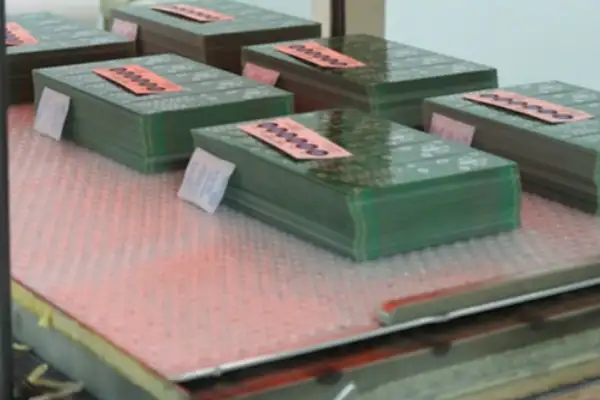
Component placement is actually a fascinating subject. When designing PCBs, many people focus solely on electrical performance and routing convenience, rarely considering the perspective of manufacturing processes. For instance, if you place a large QFP package at the edge of a board, flanked by a row of fine-pitch resistors and capacitors, it becomes extremely difficult to ensure temperature uniformity within that specific area. Furthermore, when mixing components with different package types, significant disparities in thermal mass can easily lead to localized overheating or insufficient heating during assembly. These details may seem trivial, yet they have a profound impact on the final manufacturing yield.
In my opinion, the biggest pitfall in this line of work is blindly adhering to theory. Every factory operates under unique circumstances—varying equipment ages, differing operator skill levels, and even distinct temperature and humidity conditions within the workshop. While industry standards and specifications certainly serve as essential references, it is far more critical to adapt and optimize them based on one’s own specific operational reality. I have seen too many people treat IPC standards as gospel, forgetting that these standards represent merely the minimum requirements, not necessarily the best practices.
A truly competent process engineer should be akin to a chef—knowing precisely when to apply high heat for a quick sear and when to use a low flame for a slow simmer.
Ultimately, SMT assembly boils down to reliably securing various components onto a circuit board; this process involves balancing a multitude of variables. Rather than obsessing over the optimization of a single specific parameter, it is far more beneficial to focus on the overall stability and consistency of the entire system.
The most successful production lines I have encountered are rarely those equipped with the most cutting-edge machinery; rather, they are the ones that have meticulously perfected every fundamental step of the process. From material storage to print calibration, and from component placement precision to reflow monitoring, every single stage is executed with diligence and responsibility, strictly adhering to standard operating procedures. This seemingly “old-fashioned” approach often proves far more effective than the blind pursuit of novel technologies.
At the end of the day, the electronics manufacturing industry remains a realm where true wisdom is forged through practice. Knowledge acquired from textbooks is undoubtedly important, but genuine insight is most often derived from the cumulative experience of countless iterations of troubleshooting and refinement on the factory floor.
I have long felt that many people harbor a slight misconception regarding SMT assembly. The mere mention of SMT seems to conjure up images of massive factories—vast spaces filled with the roar of machinery and conveyor belts that never cease their motion. And while it is true that high-volume mass production constitutes SMT’s core strength and traditional advantage, I have observed an intriguing phenomenon: an increasing number of innovative projects and small-scale startups are beginning to emerge.
These small teams often share a common characteristic: their order volumes are relatively modest. They might require a batch of only a few dozen boards to test a functional prototype; or perhaps they are developing a product undergoing rapid iteration while still in the market validation phase; or, alternatively, they may be producing highly customized, niche-market products. In such scenarios, asking them to negotiate a partnership with a massive manufacturing facility—one that typically imposes minimum order quantities of 100,000 units or more—is simply unrealistic.
This leads me to a core conviction: I believe that the future landscape of the SMT industry will become far more distinctly segmented. On one side stand the “behemoths”—companies that continue to serve traditional, large-scale clients; on the other are the “agile” partners, dedicated specifically to serving these small-scale innovators.
This agile service model differs significantly from traditional thinking. Its focus is not on squeezing the cost per unit to the absolute minimum—a feat that is inherently difficult to achieve under the premise of small-batch production—but rather on making the entire process sufficiently flexible and rapid.
Take, for instance, a small team I know that develops smart home hardware. Every quarter, they fine-tune their product’s features based on user feedback and launch a new hardware version for trial production. For them, “time” is far more critical than “saving a few cents on the per-unit processing fee.”
They require suppliers capable of responding rapidly to design changes; willing to accept trial orders of just a few hundred units at a time; and able to cooperate swiftly—by swapping materials and reprogramming the SMT placement machines—should a defective component be discovered on short notice. These requirements may sound trivial, right? Yet, this is precisely the norm in small-batch innovation.
Therefore, I believe that when evaluating SMT assembly services, one cannot simply fixate on the single metric of “cost per placement point.”
Especially for projects currently in the R&D phase or exploring new markets, the value of “flexibility” may far exceed your expectations. It enables you to iterate faster through trial and error; allows you to rectify design flaws at a lower cost once discovered; and may even empower you to seize fleeting market opportunities.
Of course, this does not imply that you can completely disregard cost control. It simply suggests that you need to adopt a more holistic perspective when evaluating the overall return on investment.
For instance, you might consider designing multiple small modules—each serving a different function—onto a single large PCB panel for combined production, and then cutting them apart later. While this increases the workload involved in the subsequent board separation process, it can significantly reduce both the overall cost and the time required for the SMT placement stage.
Similarly, when selecting components, beyond considering performance parameters, you should also pay appropriate attention to whether their package type facilitates automated assembly. Sometimes, a simple difference in packaging can significantly boost your production efficiency while simultaneously reducing the likelihood of potential soldering defects.
Ultimately, whether you are developing a product or selecting a service provider, I believe you must return to the most fundamental question: What is it, exactly, that you want to achieve? If your primary objective is to maximize economies of scale, then the traditional mass-production model remains, of course, the optimal solution. However, if your goal is to rapidly validate ideas and adapt flexibly to market shifts, you might be better off looking toward partners who specialize in handling small-batch orders. The most critical decision lies in finding the path that truly aligns with your current stage of development; there is no absolute “good” or “bad”—only what best matches your specific needs.
I used to assume that the pricing for SMT assembly services simply came down to who owned the newest machinery or had the largest facility. It wasn’t until I personally visited several factories that I realized the numbers on a spreadsheet tell only part of the story.
Take the simplest components, for instance: do you think you can save money by handling procurement yourself? I’ve seen far too many people stumble over this very assumption. While market prices for items like chip resistors and capacitors are indeed quite transparent, have you factored in the associated management costs? If a single part number is incorrect, or if a shipment arrives just a few days late, the entire production line grinds to a halt, leaving workers idle. Yet, labor wages and equipment depreciation costs don’t stop just because you’re short on materials. If the factory handles procurement on your behalf—even if the unit price appears slightly higher on paper—they can guarantee uninterrupted production flow. This stability, in itself, is worth a significant amount of money. Behind this capability lies a network of trust and inventory management mechanisms established through the factory’s long-term relationships with suppliers; they can anticipate market shortages in advance and even secure critical components ahead of time. For example, during the global chip shortage of 2021, many factories with mature supply chain management capabilities were able to leverage early warning systems and alternative solutions to help their clients avoid months of production downtime. The value of such foresight and assurance far outweighs the marginal difference in material costs.
Another point that is particularly easy to overlook is that seemingly similar process requirements can actually result in cost disparities of several times over. For instance, when manufacturing a circuit board, consumer electronics products might only require a simple spot-check of a few units. But what if you are producing components for industrial control systems or automotive applications? In that case, a comprehensive inspection is mandatory—requiring the use of technologies like X-ray and AOI (Automated Optical Inspection), and potentially even functional testing. When tallied up, the costs associated with these rigorous inspection stages can easily account for around 20% of the total quoted price. Many factories do not itemize these specific costs on their quotes, instead presenting you with a single lump sum. You might sign the contract because the total price seems low, only to discover later that the finished product fails to meet your quality standards. For instance, consider a circuit board destined for an automotive engine control unit; its inspection standards mandate a 3D X-ray scan of every single solder joint to detect any potential cold joints or voids. The capital investment required for such inspection equipment—along with the time-consuming nature of inspecting each individual board—places this process in a completely different league compared to the inspection of standard consumer electronics.
Speaking of the “hidden hurdles” inherent in SMT assembly, the management of moisture-sensitive components stands out as a prime example. Some chips must be mounted and soldered within a few hours of being unsealed; otherwise, they must first undergo a baking process to remove absorbed moisture. This baking step inevitably disrupts the production line’s rhythm and pushes back delivery schedules. To complicate matters further, moisture-sensitive components of different classifications (ranging from MSL Level 1 to 6) are subject to extremely strict—and distinct—regulations regarding workshop humidity levels, post-unsealing handling protocols, and inventory turnover times. A poorly managed factory might, due to excessive warehouse humidity or disorganized material tracking records, unknowingly allow a batch of expensive BGA chips to absorb moisture. When these chips subsequently pass through the reflow soldering oven, they may suffer from the “popcorn effect”—where internal moisture rapidly expands and causes internal cracks. Such defects often go undetected during initial testing but can lead to widespread product failures later in the product’s lifecycle, resulting in catastrophic after-sales support costs.
My current perspective is that when selecting an SMT partner, one must not base the decision solely on price tags. Instead, you need to assess whether they possess a mature, integrated system that seamlessly connects procurement, production, and inspection processes. A truly capable factory can help you effectively manage material supply fluctuations; they can identify issues during the production process itself, rather than waiting until the entire batch is complete to rely on a final inspection to catch defects. Furthermore, they can even proactively plan the optimal process workflow based on your product’s specific characteristics, thereby sidestepping common pitfalls. For example, for designs featuring dense, fine-pitch components, experienced process engineers would recommend specific optimizations regarding stencil apertures and solder paste selection to prevent solder bridging or insufficient solder joints. Similarly, for boards requiring conformal coating, they would meticulously plan the fixturing and spraying sequences to ensure that critical connectors or test points remain unaffected.
Ultimately, what we are paying for is not merely a one-off component placement service; we are investing in a comprehensive system designed to operate stably and without error. The true value of such a system often lies hidden within those minute details that remain invisible to the naked eye. This commitment is reflected in the real-time temperature and humidity monitoring screens within the materials warehouse, in the rigorousness of the First Article Inspection reports on the production line, and in the closed-loop process of root-cause analysis and corrective actions taken in response to every customer complaint. Collectively, these details constitute a robust defense against risk, ensuring that your products—from the prototyping stage through to mass production—possess a quality that is both predictable and reproducible.
I often feel that many contemporary articles regarding SMT assembly tend to overcomplicate the issues at hand. It is as if one cannot be considered “professional” without listing a slew of numerical specifications precise to several decimal places. In reality, when factories actually get down to work, they simply do not have the bandwidth to obsess over every single micron-level parameter. This is not to say that such details are unimportant; rather, one must first identify and address the primary contradictions—the most critical issues at play.
Take component placement, for instance: everyone loves to discuss the precision specifications of placement machines—figures such as ±0.015mm. While such numbers certainly look impressive on paper, the extent to which that theoretical precision can be consistently realized on an actual production line is an entirely different matter. The inherent precision of the machine itself serves merely as a foundational safeguard; the true determinants of placement quality are the dynamic factors: Is the vacuum nozzle clean and free of wear? How stable is the component feeding mechanism? Do components from different batches exhibit subtle dimensional variations? Is the thermal expansion and contraction of the PCB board remaining within the expected tolerance? These are the real-world issues encountered daily—the challenges that require engineers to be on the factory floor, troubleshooting and resolving problems in real time.
I recall a specific case involving an imported placement machine—one touted for its exceptional precision—that consistently misaligned a particular type of 0402-package resistor. After extensive investigation, the root cause was finally traced back to the carrier tape packaging on the component reel; the tape was slightly loose, causing the resistor to be picked up at a slight tilt. What good does it do to merely tweak the machine’s parameters in such a scenario? The source of the problem lay not with the machine itself. Consequently, rather than chasing after the elusive ideal of theoretical precision figures, it is often far more effective to focus on solidifying on-the-ground operational management, thereby ensuring stability and consistency at every stage of the process.
Speaking of components, there is indeed a clear trend toward ever-increasing miniaturization. However, I feel that we are often merely being swept along by this “miniaturization” trend without critical reflection. Not every product requires the use of components as minuscule as 0201s or even 01005s. You must make your decisions based on a comprehensive assessment of the product’s actual functional requirements, its reliability specifications, and cost considerations. In the context of industrial control boards—where reliability demands are exceptionally high—the use of such tiny passive components may, in fact, introduce potential vulnerabilities rather than provide a benefit. The solder paste printing stage, too, is often unnecessarily overcomplicated. While it is certainly necessary to maintain ambient temperature and humidity within a reasonable, stable range—minimizing fluctuations—there is no need to obsessively lock them onto a single, specific numerical value. The critical factor is consistency; the real disaster strikes when conditions vary wildly from one day to the next.
Ultimately, SMT assembly is a complex systems engineering endeavor. It tests the overall production system’s capacity for balance and adaptability, rather than merely the aesthetic perfection of parameters within a single isolated stage. Data that looks flawless on paper can—once applied to the actual production line—be severely compromised by a single, seemingly insignificant detail. This is precisely why I have always maintained that a truly effective process engineer must be immersed in the factory environment, rather than sitting in an office poring over reports. On the shop floor, you can catch the scent of rosin flux, hear the rhythmic hum of the machinery, and feel the pulse of the production line; this constitutes the most authentic form of feedback—far more direct and valuable than any graph displayed on a computer screen.
Many people assume that SMT assembly is a simple affair: merely placing components onto a board and running it through a reflow oven. I, too, once held this view. It was only when I personally took charge of tuning and optimizing a production line that I realized just how far removed that assumption was from reality.
Take the fundamental process of soldering, for instance. Many people immediately get bogged down in debates over which brand of solder paste to use or which model of reflow oven offers superior performance. In truth, the actual performance gap between these various hardware components is far narrower than we tend to imagine.
What truly determines the quality of a solder joint are, in fact, those seemingly trivial, minute details.
For instance, has the humidity level in your workshop been properly controlled? Has the solder paste been allowed sufficient time to warm up to room temperature after being retrieved from cold storage? These seemingly inconsequential steps often prove to be the decisive factors in the ultimate success or failure of the entire soldering process. For example, insufficient warming of the solder paste can lead to internal moisture condensation, potentially triggering solder balling or void formation during reflow soldering. Conversely, excessively high ambient humidity can cause PCBs to absorb moisture before the printing stage, resulting in delamination or “board popping” during the subsequent soldering process. These microscopic anomalies are often—during macroscopic inspection—erroneously attributed to equipment or materials, when in reality, they stem from fundamental deficiencies in operational management.
I have witnessed far too many instances where factories invested vast sums in state-of-the-art imported equipment, only to have an entire batch of products suffer from soldering defects simply because an operator carelessly placed the PCBs onto a damp work surface.
Speaking of the reflow soldering stage, many people assume that once the temperature profile is properly configured, everything else will fall into place automatically.
In reality, however, there are numerous nuances within this process that warrant careful consideration. Different product designs impose vastly different requirements upon the temperature profile used for reflow soldering. If a circuit board features a mix of high-power chips and small resistors or capacitors, the temperature profile settings require particularly careful attention.
Large chips demand sufficient thermal energy to ensure proper soldering quality, whereas small components are highly susceptible to damage from overheating.
In such cases, it is essential to strike a balance between the preheating and soaking zones to ensure that the temperature rises uniformly across the entire board. For instance, thermal management can be aided by adding thermal buffer pads beneath large components or by incorporating thermal shielding pads around smaller ones; such collaborative efforts at the design stage are absolutely critical.
In my personal experience, rather than chasing a theoretically perfect temperature profile, it is far more effective to conduct multiple tests during actual production runs to identify the settings best suited for the specific product at hand.
Sometimes, slightly extending the soaking time yields far better results than simply raising the peak temperature.
Regarding the use of nitrogen, there is currently considerable debate within the industry. Many factories—in pursuit of so-called “high quality”—employ nitrogen protection for every product, regardless of its nature; the result is inflated costs with no discernible improvement in performance.
In reality, not every product requires the use of nitrogen. For standard consumer electronics, provided the design is sound and process controls are properly implemented, soldering in an air environment is entirely sufficient to meet all requirements.
Only products with extremely stringent reliability demands—such as automotive electronics or medical devices—truly necessitate nitrogen protection to minimize oxidation and enhance the long-term stability of the solder joints.
Furthermore, even when nitrogen is utilized, it is not a “set it and forget it” solution; you must continuously monitor the oxygen levels within the furnace to ensure they remain within the appropriate range. Otherwise, you risk spending the money without achieving the intended protective effect. For example, improper airflow settings at the furnace inlet or aging seals can allow oxygen to infiltrate, degrading the nitrogen concentration from an ideal level of a few parts per million (ppm) to a few parts per thousand—thereby severely compromising its protective efficacy.
I believe many factories today have fallen into a common trap: over-reliance on equipment and process parameters while neglecting the human element.
No matter how sophisticated the equipment may be, it requires experienced operators to maintain and utilize it effectively in order to truly unlock its full value.
I have witnessed instances where factories invested millions to upgrade their production lines, only to find—due to inadequate operator training—that the efficiency of the new equipment was actually lower than that of the old machinery. For example, the vision systems on new surface-mount machines require specific adjustments to lighting and recognition parameters based on the characteristics of each component. If an operator simply runs the machine using default settings, it will frequently reject or misplace oddly shaped or highly reflective components, resulting in a double loss of both production capacity and first-pass yield.
Therefore, while paying close attention to technical specifications is essential, equal emphasis must be placed on personnel training and the accumulation of practical experience. Only in this way can we truly elevate the overall standard of SMT assembly operations, rather than merely stopping at superficial technological upgrades.
I often feel that many factories today tend to overcomplicate the inspection processes involved in SMT assembly. Whenever the topic of quality control arises, people habitually rattle off a long list of equipment—as if production simply cannot commence without the latest Automated Optical Inspection (AOI) or Solder Paste Inspection (SPI) systems. This mindset, however, is somewhat akin to putting the cart before the horse.
The real issue lies in our excessive reliance on machines to merely “catch” defects. The entire process devolves into a passive waiting game: after solder paste printing, we wait for the SPI to flag an error; after component placement and reflow soldering, we wait for the AOI to sound an alarm. Consider the amount of wasted time and potential risk incurred during these intervals. Of course, machines are undeniably powerful tools.
However, I believe the truly critical factor is how human operators utilize them.
I have observed production lines where the SPI is treated as nothing more than a binary “Pass/Fail” decision-maker. Operators see a green light and let the board proceed; they see a red light, stop to tweak the parameters, reprint the board, and re-inspect it until it finally passes. This approach completely fails to harness the true value of the equipment! The data generated by these systems is not merely intended to determine whether a board “passes” or “fails”; rather, it reveals the subtle, minute shifts occurring within the overall printing process.
For instance, you might notice that the solder paste height at a specific location on several consecutive boards is gradually decreasing. Even if these measurements still fall within the acceptable tolerance range, this serves as a clear warning signal—perhaps the stencil requires cleaning, or the squeegee pressure needs a slight adjustment.
This constitutes proactive prevention, as opposed to passive interception.
As for AOI systems, many people assume that simply deploying a unit equipped with AI algorithms will solve all their problems—as if the machine could magically teach itself to identify every conceivable defect.
In reality, however, if you fail to provide the system with a sufficiently robust set of training samples, it will inevitably generate false positives or miss actual defects entirely. It may even misclassify normal process variations as defects. The result is a ceaseless cycle of re-inspections and false alarms, which ultimately serves only to drag down the pace of the entire production line. I have a friend whose factory learned this lesson the hard way. They spent a fortune upgrading to the latest smart AOI system; however, because they failed to properly handle data annotation and model training during the preparatory phase, the false alarm rate after deployment was absurdly high. Ultimately, the engineers were forced to manually adjust the thresholds, effectively reverting to a semi-automated mode. That entire investment was essentially money down the drain.
Therefore, my view is this: don’t rush to chase after the flashiest technology; instead, focus on building a solid foundation first.
Is your stencil design sound? Has your reflow oven temperature profile been optimized? Do your operators truly understand the significance of every process parameter? These seemingly cliché fundamentals often contribute far more to yield improvement than simply adding another piece of high-end inspection equipment.
Of course, I’m not suggesting that inspection is unimportant—quite the contrary, I believe it is crucial. However, it should function as an organic component of the entire manufacturing ecosystem, rather than serving merely as an isolated “policeman” figure.
An effective inspection system should be capable of “conversing” with the production process—rapidly feeding back detected issues to the upstream process adjustment stages to form a true closed loop—rather than simply identifying defective products and discarding them.
Ultimately, the quality of SMT assembly is guaranteed by the collective effort of every single stage; it cannot be safeguarded solely by the final one or two checkpoints. This principle sounds simple enough, but putting it into practice truly requires a fundamental shift in many ingrained mindsets.
I often feel that people nowadays tend to overcomplicate the business of electronics manufacturing. Whenever I read articles discussing how to implement layer upon layer of checks using various advanced equipment, I get the sense that they’ve lost sight of what truly matters most. Admittedly, the SMT assembly workflow does indeed feature a diverse array of inspection methods—ranging from optical to X-ray—all of which sound quite impressive. But the question remains: are we becoming overly reliant on the data generated by these machines? Sometimes, a set of seemingly perfect data points may actually be concealing a completely different story.
Take X-ray inspection, for instance. Many people view it as a sort of “supernatural vision” capable of peering beneath BGAs to reveal invisible solder joint defects—such as voids or bridging. This is certainly true; the equipment can indeed capture crisp images and even calculate the precise percentage of voiding within a joint. But have you ever stopped to consider what that percentage actually signifies? If a solder joint’s voiding rate falls below the so-called “acceptable threshold”—say, 20%—does that automatically guarantee its reliability? I have seen far too many cases where products—despite appearing perfectly normal according to the data—fail within just a few months of reaching the user. Conversely, some circuit boards that tested positive for minor flaws have gone on to function reliably for years, even under harsh conditions. What does this tell us? It suggests that we place far too much blind faith in the numbers.
True defects often cannot be simply defined by automated equipment. A machine might alert you to a potentially defective solder joint shape or the shadow of a microscopic void (appearing as an anomaly on an X-ray image); but will this actually impact functionality? Will it deteriorate over time? The machine doesn’t know the answer. Its only function is to compare the current scan against preset reference images and data thresholds, and then trigger an alarm.
I believe there is a troubling trend in our industry today: an excessive obsession with increasing the “layers” of inspection and chasing “high-tech, sophisticated” solutions—as if simply piling on more technology automatically guarantees higher quality! In reality, this is a form of intellectual laziness! It amounts to offloading all responsibility onto the equipment, thereby absolving ourselves of the need to engage our brains and truly understand the product itself. We spend vast sums acquiring 3D X-ray or CT scanning systems to reconstruct the three-dimensional geometry of solder balls and measure void rates with extreme precision—yet we rarely stop to ask: Why did this void occur in the first place? Was it an issue with the solder paste printing process? Was the reflow soldering temperature profile improperly tuned? Or was there a fundamental defect in the solderability of the component itself?
Have you noticed that on many production lines, the moment an X-ray scan flags an issue, the immediate—and often sole—reaction is to simply pull that specific board aside for rework or scrap? Few people ever pause to trace the defect back to its root cause! You might resolve a defective solder joint on a specific board today, but if you haven’t addressed the underlying cause, the exact same problem could easily resurface at the exact same location tomorrow! It is akin to having a leaking pipe in your home: instead of locating the leak and patching it up, you simply keep placing buckets underneath to catch the dripping water.
Therefore, in my view, rather than staking everything on those final, complex inspection stages, we would be far better off taking a few steps back. We should focus on making the process controls during the early stages of SMT assembly—the “front end”—much more robust. For instance, ensure the stability and consistency of the solder paste printing process, and optimize the reflow soldering temperature profile to better suit the specific characteristics of your current batch of components. If we lay this foundational groundwork solidly, the number of issues requiring X-ray “penetrating vision” to detect in the later stages will naturally drop significantly. After all, the purpose of inspection shouldn’t be merely to detect a certain number of defects, but rather to ultimately reduce—or even eliminate—the very possibility of defects occurring!
I’m not suggesting that inspection methods like X-ray analysis are useless! On the contrary, they are incredibly important—virtually indispensable tools, especially when dealing with hidden solder joints such as those found in BGAs. However, we must clearly recognize that these are merely tools—auxiliary aids designed to help us make informed judgments—not the creators of quality themselves! True quality is designed into a product; it is built up cumulatively through every meticulous step of the manufacturing process. When you execute every preceding step flawlessly, those expensive inspection machines at the end of the line often serve merely as confirmation tools—and their defect alarm rates will drop to extremely low levels.
Ultimately, in electronics manufacturing—particularly when producing high-reliability products—one must not be content with merely seeing a problem. Instead, one must strive to understand the problem, and subsequently prevent it. Otherwise, adding layer upon layer of inspection serves only as “locking the barn door after the horse has bolted”—a reactive fix that drives costs ever higher. As various studies have pointed out, discovering defects late in the assembly process indeed causes rework costs to skyrocket; yet, if we consistently find ourselves identifying problems only at this late stage, it is a clear indication that our manufacturing system itself is fundamentally flawed.
Therefore, my point is simple: do not be dazzled or intimidated by flashy technical jargon. Return to the fundamentals of manufacturing; honing your basic operational skills is likely to be far more effective—and far more economical—than simply stacking on additional layers of inspection.
I often feel that many factories today make the process of SMT assembly seem far more mysterious and complex than it actually is. It’s as if they believe they cannot claim to practice “modern management” unless they generate piles of intricate charts or install massive, real-time monitoring screens. In reality, we often get led astray by the very “smart” technologies we embrace.
I’ve observed numerous production line supervisors who spend their entire days glued to screens, ceaselessly monitoring various data streams. They seem to believe that as long as the numbers on the screen are fluctuating—indicating activity—everything must be running smoothly. This mindset is actually quite dangerous, as you risk overlooking where the real problems lie. Take the CPK value, for instance. Many people revere it as an absolute standard—as if reaching a specific numerical threshold means everything is perfectly fine. That is simply not the case.
I recall visiting a friend’s factory on one occasion. Their reports indicated that the CPK values for all critical processes met the required standards—some were even exceptionally high. Yet, after taking a physical walk-through of the facility, I discovered numerous issues: operators were secretly skipping inspection steps in an effort to rush production; equipment error alarms were being frequently reset without proper investigation; and in some instances, the data being reported was merely a “beautified” version—manually entered to look good on paper. In such a scenario, what significance do those impressive-looking data points truly hold? They have become completely detached from the reality of the production floor.
I believe the biggest misconception currently prevailing among many enterprises is the tendency to sever the link between data and reality.
They spend vast sums purchasing various sensors and implementing sophisticated systems to collect massive amounts of data, yet they overlook a fundamental truth: machines are operated by people, processes are designed by people, and the final products are ultimately intended for use by people.
Over-reliance on cold, impersonal figures can cause you to lose your intuitive grasp of the production environment. This intuition—a comprehensive judgment regarding equipment status, personnel morale, and process rhythm—is cultivated by managers who have spent extended periods immersed in the workshop, engaging through observation, touch, and conversation. For instance, a seasoned veteran might discern subtle shifts in solder paste viscosity simply by listening to the sound of a printing machine’s squeegee, or predict an excess of flux by detecting a specific scent emanating from the exit of a reflow oven. These subtle, non-quantifiable signals represent precisely the blind spots that digital dashboards are most prone to overlooking.
My preferred approach is actually quite simple: spend at least one hour every day walking the production line—observing how operators work, listening to the sounds of the machinery, and noting the ambient scents of the workshop. Such sensory information often reveals the true state of affairs far more accurately than any graph or chart displayed on a screen.
Of course, I am not suggesting that data is useless; rather, I contend that it should serve as an auxiliary tool—a guide—rather than the sole basis for decision-making.
An effective manager should be able to look beyond a mere cluster of numbers to discern the underlying human factors and evolving trends in equipment status, rather than being blindly led by calculated metrics. For example, if the statistical rate of component “dropping” (misplacement) on a pick-and-place machine begins to creep upward—even while remaining technically within the “acceptable” range—one should not be content with merely seeing a “green light” on a report. Instead, one must investigate the root cause: Is it a faulty feeder? Is the suction nozzle worn? Or is it a fluctuation in material batch quality or environmental temperature and humidity? Data serves as a lighthouse, pointing the way; yet, the actual voyage to uncover the root cause of a problem still requires a profound understanding of the physical world of the production floor.
Ultimately, the essence of SMT production remains manufacturing—a tangible process grounded in the physical world, not merely a digital game.
No matter how aesthetically pleasing those statistical charts may appear, if a solder joint is defective, if a component is misaligned, or if the reflow temperature profile is incorrect, then all those fancy visuals are utterly meaningless.
What we truly require is actionable information—insights that can genuinely guide our actions—rather than a stack of analytical reports that look impressive on paper but lack any practical applicability on the ground. An ideal report should clearly pinpoint which feeder at which feeder station requires maintenance or which thermocouple in which temperature zone of a specific reflow oven might be drifting—rather than merely presenting an abstract conclusion such as “process capability is insufficient.” A data system must possess the capability to translate macro-level statistical anomalies into specific troubleshooting and repair instructions that on-site engineers can execute immediately.
Sometimes, the simplest methods prove to be the most effective. Traditional practices—such as periodically selecting a few boards for manual inspection to assess solder joint quality, or chatting with operators to understand the difficulties they encounter—remain valid today. In fact, they often reveal issues that automated systems fail to detect. For instance, a machine vision system might deem a specific solder joint “acceptable,” yet a tactile inspection with your finger might reveal a rough, grainy surface texture; this could indicate uneven solder paste mixing or insufficient reflow temperature. Alternatively, a casual conversation with an operator might reveal that they are forced to adopt an awkward, error-prone posture due to a poorly designed fixture—a source of human-induced variation that the data stream itself would never proactively flag.
After all, quality is built in, not measured or calculated—a fundamental truth that will never go out of style.
I often feel that many people today overcomplicate the process of SMT assembly. The moment quality control is mentioned, they feel compelled to invoke a host of high-tech, sophisticated concepts. Yet, if you stop to think about it, what do we really need? Isn’t it simply to build things correctly, build them well, and avoid making mistakes? Sometimes, all that flashy technology actually distracts us from the absolute fundamentals.
I have visited numerous factories that, in a bid to chase the latest trends, forcibly implemented full-scale “smart” systems. The result? The operators couldn’t make heads or tails of the complex parameter settings; when problems arose, they still had to rely on the intuition and experience of veteran technicians to grope their way toward a solution. Those so-called “automatic adjustment” features sound impressive in theory, but in practice, they often fail to adapt effectively to the actual environment. After all, conditions on a production line are constantly shifting and evolving—how could a mere handful of preset rules possibly cover every conceivable scenario? Machines, at the end of the day, are just machines; they lack human judgment and the capacity for flexible improvisation. For instance, the viscosity of solder paste during printing fluctuates in real-time based on ambient temperature and humidity. A simple stencil clog or uneven squeegee pressure can instantly render pre-set “perfect” parameters obsolete. In such situations, a machine might merely trigger a standard alarm or continue operating blindly; a seasoned veteran, however, can immediately diagnose the root cause—whether it lies with the environment, the materials, or the equipment itself—simply by observing the morphology of the printed solder paste. This type of immediate, judgment-based on sensory perception and accumulated experience is something that no current intelligent system can easily replicate.
Speaking of defect detection, the trend nowadays is to label everything as “AI-driven”—as if omitting those two letters would make one appear technologically obsolete. While I do not deny the inherent value of these technologies, I believe people have become overly superstitious about them. True quality is built upon solid process engineering and rigorous management, not achieved once and for all through some magical algorithm. If you pin all your hopes on automated inspection, you risk overlooking the critical importance of upstream processes—such as process control during the printing stage or material verification prior to component placement. If these foundational tasks are executed poorly, even the most sophisticated downstream AOI (Automated Optical Inspection) system will be powerless to salvage the result. For example, if the coplanarity of incoming component leads fails to meet specifications, or if the solder pads are severely oxidized, then no matter how precise the pick-and-place machine is or how powerful the AOI algorithms are, the final product may still suffer from defects such as cold joints or tombstoning. The root causes of these defects lie at the front end; relying solely on downstream inspection to intercept them is akin to putting the cart before the horse—and it significantly drives up rework costs.
My personal observation is that even the most advanced systems require human operators to master them and understand the underlying logic. You cannot simply expect to purchase a piece of equipment, plug it in, and have it automatically resolve every conceivable issue. In many cases, the features touted as “intelligent” are merely human expertise hard-coded into software; when confronted with a novel type of defect or a new set of materials, the system may be left completely stumped—simply because it has never encountered or “learned” from such scenarios before. At that point, one must still rely on experienced engineers to analyze the situation and make the necessary adjustments; the process itself remains, fundamentally, not fully automated. A typical scenario arises when introducing a new type of underfill epoxy or an oddly shaped component: the existing inspection model may very well misclassify it as a defect. This necessitates that engineers collect a fresh batch of samples, manually annotate their specific features, and retrain the model—a fine-tuning process that relies heavily on human expertise regarding the characteristics of both the manufacturing process and the materials involved.
Moreover, I believe there is a common misconception nowadays: people are so obsessed with achieving “zero defects” that they set their quality standards unrealistically high—literally “reaching for the sky.” While high standards are certainly commendable, one must also take costs and efficiency into account. Is it truly cost-effective to invest ten or even a hundred times the resources just to eliminate a mere 0.1% of potential risk? In reality, some minor cosmetic flaws have absolutely no bearing on a product’s functionality.
Insisting on identifying and reworking every single one of these minor imperfections may, ironically, introduce even greater and more unpredictable risks. Balance is the key; you must know exactly where to be uncompromisingly strict and where it is appropriate to be more flexible. Take consumer electronics as an example: a minuscule solder ball located in a non-critical electrical zone might have absolutely no impact on the product’s lifespan or functionality. However, if one were to apply the overly stringent rework standards typically found in the automotive electronics sector, the secondary heating required for the rework process could actually inflict thermal damage upon adjacent, otherwise flawless solder joints or components, thereby introducing far more significant reliability hazards.
Ultimately, the core of SMT assembly lies in the process itself—specifically, in human experience and the meticulous mastery of detail. Technology serves merely as a tool; it should exist to serve human operators, rather than forcing humans to adapt to the tool. When you pin too much hope on concepts that sound flashy but lack substance, you run the risk of overlooking the most fundamental—and most critical—elements: the steadfast execution of every single stage of production, and the conscientious, diligent handling of every individual circuit board. This constitutes the very root of quality; everything else is merely foliage.
I recently had conversations with friends working in various factories regarding the operations on their production lines. There is a widespread sentiment among them: much of the current hype surrounding the application of AI in manufacturing is far too detached from reality. It often sounds as if simply installing a new system will magically resolve every conceivable problem.
In reality, this is far from the case. Take SMT assembly, for instance. I have observed numerous factories investing substantial sums to implement so-called “intelligent systems” designed to monitor the status of their pick-and-place machines and other equipment. The underlying concept is sound—using data such as vibration patterns or the frequency of nozzle clogging to predict potential equipment failures.
But herein lies the problem: many of these systems merely generate a plethora of impressive-looking charts and data reports for the benefit of upper management. Yet, what about the engineers and technicians working on the front lines? What they typically receive is an analytical report dense with highly specialized technical jargon.
What they need most is not a complex spectral graph or an abstract “health index.”
What they truly require are simple, direct, and actionable alerts—messages such as: “The X-axis motor on High-Speed Pick-and-Place Machine 3 is emitting abnormal sounds,” or “Recommendation: Inspect the tension spring on Feeder Unit 5.” The disconnect between what is provided and what is actually needed is simply too vast.
The true value of such systems lies not in the sheer volume of data collected, nor in the sophistication of the algorithms employed, but rather in whether that information can be effectively conveyed to front-line personnel in a manner they can readily comprehend—and, crucially, whether it can serve to guide their actions. Otherwise, even an array of sensors becomes nothing more than decorative window dressing.
Another point that I found particularly intriguing relates to the subject of defect analysis. Nowadays, many systems can indeed detect sudden spikes in specific soldering defects—for instance, a rise in void rates. They might then suggest that this issue is likely linked to ambient humidity, recommending that you step up your dehumidification efforts.
Sounds pretty smart, doesn’t it? But what if you work in a coastal city? Where humidity is naturally high year-round? Are you really expected to run dehumidifiers at full blast, all day, every day? And who is supposed to foot the electricity bill?
In a more realistic scenario, a seasoned veteran—a “master technician”—would likely tell you: “Check to see if this batch of solder paste had enough time to warm up to room temperature,” or perhaps, “Has the thermocouple in a specific zone of that reflow oven started drifting lately?”
Current AI systems struggle to acquire this kind of empirical knowledge, largely because these specific variables are often entirely absent from their training datasets.
Consequently, I believe many of today’s technological solutions have put the cart before the horse; they obsess over algorithmic complexity while neglecting the actual operational logic of the production floor and the need for seamless human-machine collaboration.
What we need is not a “black box” designed to replace human workers, but rather a tool that augments human capabilities—an assistant capable of translating complex equipment status data into actionable operational language, rather than a high-and-mighty diagnostic expert.
This, in my view, is the true direction that the intelligent transformation of SMT production lines should take—and it serves as one of my key criteria for determining whether a given technical solution is truly reliable.
I’ve long felt that many people’s understanding of SMT production has gone somewhat astray. People tend to focus exclusively on how new, fast, or expensive the equipment is. Yet, in my experience, the factors that truly determine the ultimate quality of the finished circuit board often reside in the places you cannot see—for instance, whether your company’s established quality management system is actually functioning in practice.
I’ve visited numerous factory floors plastered with various certification plaques—ISO standards and the like. But what happens when you actually walk the production line? You might find operators skipping a self-inspection step just to meet a tight deadline, while their supervisors turn a blind eye. In such cases, those plaques are nothing more than decorative metal sheets on a wall. A genuine quality system isn’t merely a collection of documents; it is a daily habit—a deeply ingrained sense of vigilance shared by everyone on the team. It manifests in the ability to immediately detect and halt production if, say, a resistor is loaded into the wrong feeder reel—rather than letting the error flow through to the reflow oven, only to be caught later by an expensive AOI system. A robust quality system makes the cost of making a mistake prohibitively high—not in the sense of financial penalties, but in the sense that the very structure of the workflow makes it incredibly difficult for errors to occur in the first place. For instance, by designing error-proofing fixtures or mandating dual-person verification checkpoints, potential oversights can be nipped in the bud. Such built-in preventive mechanisms offer far greater value than costly detection and rework efforts conducted after the fact.
Speaking of materials, this represents yet another area where it is easy to stumble. Many people assume that the procurement team’s job is done once they have purchased and received the components. In reality, however, the real trouble has only just begun. How consistent are the various component batches? Are there subtle differences in the flux activity of solder pastes from different lots? How long have those chips been sitting on their trays in the warehouse, and have they been exposed to moisture? If these details are left unmanaged—or managed inadequately—problems will begin to mushroom from every corner once the materials hit the SMT assembly line. You might encounter open circuits or tombstoning effects, yet initially, you might never suspect that the root cause lies in the slightly oxidized plating of a single capacitor received months earlier. Therefore, having a management capability that delves deep into material sourcing and warehousing specifics is far more critical than simply focusing on the placement speed of the pick-and-place machines. This requires close collaboration with suppliers, original component manufacturers, and distributors, as well as rigorous incoming inspection and scientific inventory lifecycle management—such as strictly controlling warehouse temperature and humidity, and implementing advanced “First-In, First-Out” (FIFO) systems.
Nowadays, everyone is talking about how intelligence and automation represent the major trends of the future. And rightly so; replacing human labor with machines is an inevitable progression. However, I have always felt that we must first clearly define the true objective of automation. Is it merely to save on labor costs? I believe the deeper objective is to minimize the inherent unpredictability associated with human involvement. Machines can execute programs faithfully; they do not suffer from fatigue, and their operational consistency remains stable. Yet—who wrote the programs? Who configured the parameters? Behind it all lies the absolute necessity for a set of extremely rigorous process standards and a robust accumulation of data. Otherwise, automation merely serves to replicate errors a thousand times faster. So, you see? We’ve come full circle—we inevitably return to the fundamental bedrock of established systems and standards. For example, the temperature profiles for reflow ovens must be established based on exhaustive process experimentation and continuously optimized as products and materials evolve; it is this accumulated knowledge—this intellectual capital—that constitutes the true soul of automation.
Sometimes, I find myself wondering: after working in this industry for a long time, are we at risk of falling into a trap of “technological fetishism”? It’s easy to get excited whenever a new piece of equipment appears on the scene—after all, we are constantly striving for tighter pitches and higher precision. Yet, ultimately, all these technological advancements must serve a single objective: consistently producing high-quality products. And this quality consistency isn’t something that suddenly materializes simply because you’ve acquired a single piece of cutting-edge machinery; rather, it is a comprehensive web woven from reliable materials, rigorous processes, continuous training, and a deeply ingrained quality consciousness. You simply cannot afford to have a single thread missing from that web. The next time you set out to evaluate a potential supplier, don’t get too distracted by how impressive their equipment list looks on paper. Instead, spend a little extra time observing their workshop floor: Is it clean? Are the labels on the material racks clear and legible? And, most importantly, are the workers truly adhering to established procedures as they perform their tasks? The insights gleaned from these observations are often far more authentic than any statistic you might find in a glossy marketing brochure. A tidy and orderly environment often serves as a direct reflection of the precision and discipline within a company’s management, while the extent to which employees follow their Standard Operating Procedures (SOPs) reveals whether their quality management system has truly taken root and become an integral part of their daily operations. These routine, subtle observations serve as a crucial window into a company’s true, intrinsic quality capabilities.
Whenever I come across articles hyping up the “smart” capabilities of the “factory of the future,” I can’t help but feel they are somewhat detached from reality. Having spent over a decade in the SMT industry, I’ve witnessed far too many instances where so-called “high-tech” solutions simply failed to thrive—or even function properly—within the gritty, practical environment of a real-world production floor. Take Automated Optical Inspection (AOI) systems, for example.
Many manufacturers these days love to sing the praises of 3D AOI systems, creating the impression that it is impossible to produce high-end products without one. I readily admit that 3D AOI offers distinct advantages for inspecting certain specific types of component packages.
However, the sticking point is cost. A high-quality 3D AOI system comes with a hefty price tag; for production lines characterized by high-mix, low-volume manufacturing—where batch sizes are small but product varieties are numerous—the return on investment period can be so long that it becomes utterly disheartening.
A far more pragmatic approach is to first maximize the utility of your existing 2D AOI systems—fine-tuning the lighting configurations to their optimal settings and refining the inspection algorithms to align more precisely with the specific characteristics of your products. I’ve visited far too many factories that have invested in the most expensive hardware available, yet continue to run them using nothing more than the most basic, default inspection profiles. For instance, by carefully adjusting the combination of ring-light angles, you can create lighting conditions that more clearly highlight the contours and surface-finish variations of solder joints. Alternatively, by creating custom inspection windows and grayscale thresholds tailored to the specific chip sizes most frequently used in your production, you can achieve significant improvements in defect detection rates—all at a cost that is a mere fraction of what it would take to purchase a brand-new machine. In many cases, the true potential of a piece of equipment remains largely untapped—operating at only 60% or 70% of its full capacity when left running on its factory-default settings.
Now, let’s turn our attention to the subject of “changeovers”—the process of switching production lines from one product model to another. Many technical articles tend to emphasize advanced systems capable of completing a changeover within a mere 15 minutes.
However, the reality is that the primary challenge facing most factories is not how quickly a machine can switch programs, but rather the chaos surrounding material preparation.
So what if your program is ready to go? The material handler is still rummaging through the warehouse for that specific 0402 resistor, while the operator is still cross-referencing the placement table against the leftover materials from the previous batch. True efficiency gains stem from streamlining the entire workflow—not merely accelerating the specific movements of the pick-and-place machine. A common bottleneck lies in unclear coding and location systems within material storage, or inadequate management and maintenance of carriers such as feeders; this leads to frequent errors or delays during material changeovers. Implementing clear material labeling and establishing changeover checklists—these fundamental management practices—often yield far more significant time savings than chasing the theoretical maximum changeover speed of the equipment itself.
“Digitalization” is a buzzword, but I remain skeptical of the approach that involves uploading every single data point to the cloud and monitoring the temperature of every individual solder joint in real time.
Data is, of course, important. Yet, when every piece of equipment on the production line is furiously generating data, engineers often find themselves drowning in a deluge of information, unable to identify what truly matters.
Sometimes, the simplest solution proves to be the most effective: establishing a few manual recording points at critical workstations.
Having experienced operators manually log the status of the solder paste printing process a few times a day often provides a more accurate reflection of real issues than thousands of pressure readings captured by sensors. This is because operators can draw upon their experience to make holistic judgments—taking into account factors that sensors struggle to fully quantify, such as the effectiveness of stencil wiping or ambient temperature and humidity—and quickly pinpoint intuitive issues, such as “the solder paste seems a bit dry today” or “the paste deposition in this corner looks insufficient.” This type of experience-driven feedback, focused on critical junctures, often cuts straight to the core of the problem, preventing one from getting lost in a vast ocean of data.
The true essence of SMT assembly lies not in the sheer quantity of flashy technologies employed,
but rather in your ability to identify the optimal combination of resources and processes—one that is perfectly tailored to the specific characteristics of your product and the rhythm of your production workflow.
While some products undoubtedly require fully automated, high-precision production lines, more often than not, a carefully fine-tuned semi-automated line—staffed by experienced operators—proves to be both more flexible and more cost-effective. For instance, in the context of R&D prototyping or small-batch production—characterized by a wide variety of product types and frequent design changes—retaining certain steps that require human intervention (such as manual component insertion, visual inspection, or selective soldering) can actually facilitate a faster response to changes. This approach avoids the burden of excessive, rigid capital investments required for full automation. Flexibility itself constitutes a valuable competitive advantage.
Those who spend their days waxing poetic about AI-driven self-optimization have likely never spent a late night on the factory floor fine-tuning a reflow oven’s temperature profile.
No matter how advanced machine learning algorithms may be, they still require a sufficiently large volume of sample data for training. For small-batch orders—where only a few hundred boards are produced per month—it is simply impossible to accumulate a dataset substantial enough to be statistically valid.
In such situations, an experienced veteran’s manual adjustment of a few parameters—guided by years of experience—is often far more reliable than waiting half an hour for an AI system to complete its analysis. These seasoned experts can fine-tune the temperature settings for each zone and adjust the conveyor chain speed based on factors such as the PCB’s layer count, component density, or even the specific “mood” of the reflow oven on any given day. This kind of “touch” and “intuition”—honed through years of hands-on practice—holds a value that algorithms simply cannot replicate in the short term, particularly when navigating non-standard or highly variable production scenarios.
I am not opposed to technological progress; rather, I believe we should adopt a more pragmatic approach. We must avoid being led astray by flashy, superficial concepts. Instead, we should prioritize building a solid foundation and fully unlocking the potential of our existing equipment; for the majority of small-to-medium-sized electronics manufacturing enterprises, this is often a far more valuable strategy than blindly chasing after the very latest technology.
Many people harbor the simplistic misconception that SMT assembly is merely a matter of machines mechanically slapping components onto a board until the job is done. I have encountered teams that produce visually stunning design schematics, yet their designs suffer from abysmal manufacturability. They operate under the assumption that simply handing the design files over to a contract manufacturer will magically resolve all issues; consequently, when their assembly yield rates fail to meet targets, they invariably cast the blame on the equipment. In reality, the root cause of the problem almost always lies at the very beginning of the process.
The critical factors that truly determine whether a circuit board can be successfully manufactured are frequently overlooked. The key is not merely how fast or precise the pick-and-place machine itself happens to be, but rather whether the instructions fed to it are clear, logical, and well-optimized. For instance, if the component layout is excessively dense or the solder pad design is ill-suited for soldering, even the most sophisticated machinery will be prone to errors. Unless these fundamental design details are properly addressed upfront, any subsequent attempts to tweak process parameters will amount to nothing more than applying stopgap patches.
Based on my own experience, it is far more prudent to invest your resources in thoroughly mastering design guidelines and best practices than in spending a fortune to acquire the very latest equipment models. I recall an instance where a small chip on one of our boards kept being placed askew. We spent half a day troubleshooting before finally discovering the culprit: the pad dimensions in our component library were ever so slightly larger than those of the actual physical component. It was this minuscule discrepancy that caused the pick-and-place nozzle to consistently misalign during the pickup process. As you can see, the root cause of the problem lay nowhere near the production line itself.
Therefore, I believe that when viewing SMT, one shouldn’t focus solely on the high-speed machinery whirring away on the shop floor. It is, in fact, more akin to a comprehensive collaborative chain—extending from your design software all the way to the factory’s material management system—where every single link must be perfectly interlocked. Possessing excellent component placement capabilities is entirely futile without a solid foundation of high-quality design inputs.
Much of the current discourse centers on metrics like improving PPM rates or optimizing reflow soldering profiles. While these are undoubtedly important, they presuppose a critical prerequisite: the PCB itself must be designed with manufacturability in mind. Otherwise, it is like asking a world-class chef to prepare a packet of instant noodles that is missing some of its seasoning packets—no matter how exquisite their culinary skills, they will struggle to create a truly remarkable dish.
Ultimately, the ability to stably mass-produce hardware products relies not on a singular breakthrough in one specific stage, but rather on an entire system devoid of any significant weak links. When you stand beside the production line, watching a pick-and-place machine precisely position a succession of tiny components, what you are witnessing is backed by a comprehensive logical validation process—spanning the entire journey from schematic to physical reality—rather than being merely a series of mechanical motions.
Many engineers focus too much on technical parameters early on and overlook
As someone who has worked in PCB outsourcing for years, I’ve found
Cramming a camera, amplifier, dual-mic array, and Wi-Fi radio into a palm-sized
- Эксперт в области мелко- и среднесерийного производства
- Высокоточное изготовление печатных плат и автоматизированная сборка
- Надежный партнер для электронных проектов OEM/ODM
Часы работы: (пн-сб) с 9:00 до 18:30
Get quote, solution or any question, Andre always here to help