

How Custom PCB Production Becomes a “Moat” for Hardware Products?
After years of navigating the hardware industry, I’ve observed an interesting phenomenon:
I have observed many people, when discussing medical electronics, who tend to fixate on sophisticated algorithms and high-level functional modules. In reality, however, the true determinant of a device’s reliability is often that most inconspicuous component: the circuit board. This is especially true for implantable devices designed to reside within the human body, where the requirements for PCBs are—quite frankly—rigorous to the point of being obsessive.
I recall an instance while visiting an operating room where I watched a surgeon remove a malfunctioning cardiac pacemaker. Upon disassembly, we discovered that the failure was caused by microscopic cracks in the solder mask—induced by the internal bodily environment—which subsequently led to ion migration. In standard consumer electronics, such an issue might merely result in a device reboot; within the human body, however, it becomes a matter of life and death.
Consequently, whenever I work on medical projects now, I prioritize material compatibility above all else. For instance, when selecting the substrate material for medical-grade PCBs, I am willing to pay three times the standard price just to ensure I use a model that has passed rigorous biocompatibility certification. On one occasion, a supplier presented a quote based on industrial-grade solder mask ink; I promptly ushered them out the door. Using such material in an implantable device is, in my view, tantamount to administering poison.
Thermal resilience is another critical factor that is frequently overlooked. Although the human body maintains a temperature of only 37°C, the addition of high-temperature steam during sterilization processes can push certain low-cost materials beyond their glass transition temperature, leading to structural failure. It is my standard practice to explicitly annotate the design schematics, requiring suppliers to provide high-temperature aging test reports. Some people dismiss this as “making a mountain out of a molehill”—that is, until they witness a real-world case where material deformation results in a catastrophic short circuit.
Most recently, my involvement in a neural stimulator project has further underscored the critical importance of surface finish treatments. Although the electroless nickel immersion gold (ENIG) process is costly, it is far safer than silver-plating alternatives—which are prone to dendrite formation—when used in long-term implantable applications. I have heard engineers complain that increased gold layer thickness leads to lower soldering yields; my response is simple: either improve the process or find someone else to do the job. The medical field is never a place for cutting corners or bargaining.
My biggest headache, however, lies in the selection of flexible printed circuit boards (FPCs). While the specifications for certain polyimide materials may look impressive on paper, they tend to absorb bodily fluids and swell once implanted in the body. During one test, we discovered that the dielectric constant had shifted by 15%, causing the RF circuitry to go completely out of tune. Consequently, we now require all material suppliers to provide performance curves demonstrating how their materials behave after immersion in bodily fluids.
These experiences have instilled in me a specific habit: whenever I review a medical PCB design, I always ask one extra question: “Would you feel comfortable using this board on your own family members?” When that question causes the entire conference room to fall silent, we know it is time to go back and re-evaluate our design approach.
I recently had a conversation with a friend who works in medical devices, and we observed an interesting phenomenon. Many people seem to believe that a PCB for medical equipment is nothing more than a standard circuit board with a few extra certifications tacked on. This mindset is actually quite dangerous. The medical industry operates on a completely different level than other sectors. Just consider the potential consequences if a PCB inside a heart pacemaker or a blood glucose monitor were to fail. These are not trivial matters that can be resolved simply by rebooting the device—unlike a frozen smartphone.
I have seen numerous startups attempt to save money by sourcing PCBs from consumer-electronics-grade suppliers, only to pay a heavy price later on. One team developing home-based monitoring equipment had to rework their entire first batch of products due to electromagnetic interference issues. On the surface, they saved a few dozen dollars per board; however, the subsequent recall costs ended up being high enough to purchase three entirely new batches of boards. In the medical industry, investing in high-quality PCBs is akin to buying an insurance policy; you are paying not merely for the physical board itself, but for the supplier’s proven ability to effectively mitigate risk.
Nowadays, many PCB manufacturers claim to be capable of producing “medical-grade” boards, yet very few can genuinely meet the rigorous requirements for material biocompatibility. During a recent tour of an established manufacturer’s facility, I was struck by a specific detail: the standard limit for residual ion concentration on a cleaned industrial-grade PCB is more than ten times higher than that permitted for a medical-grade board. In a test report, this difference may appear as nothing more than a numerical value; in a real-world medical application, however, it could literally be a matter of life and death.
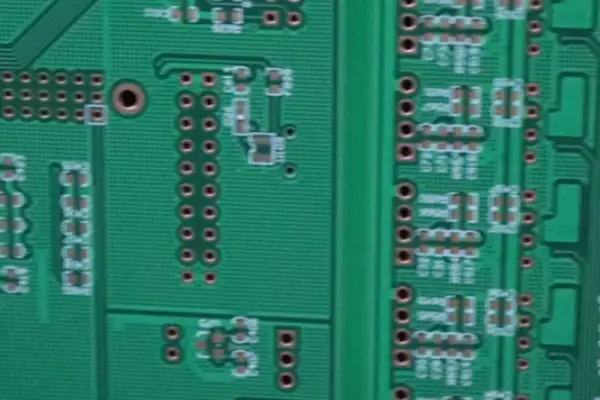
When selecting a PCB supplier for medical devices, the factor I value most is their attitude toward problem-solving. On one occasion, a project of ours required an adjustment to specific impedance control parameters; our partner’s engineers worked through the night to develop five distinct solutions, complete with accompanying simulation data. This level of professionalism is not something you can expect from just any low-cost supplier. A good PCB partner grows alongside you; they understand the iterative cycles and regulatory requirements specific to medical devices.
Investing in a reliable, medical-grade PCB supplier is, in essence, a strategy for mitigating overall risk. I know of an endoscope manufacturer that has partnered with their PCB fabrication plant for over a decade, with engineers from both sides frequently holding joint technical workshops. This depth of collaboration yields not only product stability but also a rapid-response capability for handling unforeseen contingencies. Last year, when raw material shortages struck, their PCB supplier provided a three-month advance warning and assisted in validating alternative materials.
The medical device industry fears uncertainty above all else, and an exceptional PCB partner can help you minimize uncontrollable variables. There is no room for wishful thinking or cutting corners in this field; every single stage of the process must withstand rigorous scrutiny. After all, when your product directly impacts human health, you can never be too cautious.
I have always believed that PCBs used in medical equipment are an entirely different breed compared to those found in standard consumer electronics. I once visited an operating room and observed a patient monitor’s circuit board—it continued to function normally even after being permeated by bloodstains—and that was when I truly grasped the extreme level of rigor required behind the scenes.
When developing products of this nature, our focus lies squarely on the long-term stability of materials rather than on cost. For instance, the PCBs inside implantable defibrillators must withstand decades of corrosion within the human body—a challenge that standard FR4 materials simply cannot endure.
Biocompatibility testing is often the most time-consuming phase of the process. On one occasion, the delivery of a batch of products was delayed by a full three months solely to await the ISO 10993 reports for a specific batch of substrate material; yet, the client actually felt more reassured by the delay—after all, no one wants to see a patient suffer complications due to an allergic reaction to a circuit board.
One aspect of medical-grade PCBs that is most frequently overlooked is cleanliness control. I recall an instance where a batch of products exhibited excessive leakage current due to flux residue; the issue was ultimately resolved only after installing additional ionic blowers on the production floor. Such details might be inconsequential in the realm of consumer electronics, but in a medical context, they represent the critical line between life and death.
Within the ISO framework, the process I value most highly is change management. On one occasion, when switching suppliers for a specific brand of solder mask ink, we executed a full-scale validation protocol; as a result, we discovered that the new batch of ink would develop microscopic cracks when exposed to high-temperature, high-humidity environments.
Many people harbor the misconception that simply obtaining certification means they are in the clear—this is a dangerous fallacy. A competitor of ours, despite holding ISO 13485 certification, cut corners during actual production; this negligence ultimately led to the recall of an entire batch of cardiac pacemakers. The relatively slow pace of iteration in medical equipment—far from being a drawback—actually affords us the necessary space to meticulously refine our manufacturing processes. For instance, when developing the flexible circuit boards used in neural stimulators, we had to repeatedly fine-tune the lamination parameters through over a dozen iterations just to achieve the desired flexural lifespan.
Nowadays, we increasingly prefer establishing joint laboratories with material suppliers to conduct compatibility testing in advance; this approach is far more efficient than attempting remedial fixes after the fact. We are currently in the process of validating the biocompatibility of a novel ceramic substrate, which appears to offer greater stability compared to traditional epoxy-based materials.
Ultimately, the greatest challenge lies in cross-departmental collaboration. From design engineers to clinical specialists, feedback from every stage of the process can influence the final PCB design solution. It is precisely these multi-dimensional quality requirements that constitute the true barrier to entry in the field of medical electronics.
Speaking of PCB design for medical devices, I recently had an extensive conversation with a friend who works on cardiac monitors. Their team hit a major roadblock last year when a single, tiny circuit board nearly caused the entire project to be delayed by six months.
In reality, many people tend to overlook a critical point: PCBs for medical devices are a completely different beast compared to those found in standard consumer electronics. I have encountered numerous engineers who attempt to apply a consumer-electronics mindset to medical device design, only to find themselves stuck in an endless loop of rework. Take circuit routing, for example: the electromagnetic compatibility (EMC) issues that must be addressed in medical devices are far more complex—after all, such a device might be operating in close proximity to an ECG machine or a defibrillator simultaneously.
I recall visiting a factory specializing in medical-grade PCBs, where their testing protocols left a deep impression on me. Every single board had to undergo dozens of extreme environmental simulations, enduring rigorous cycles ranging from sub-zero temperatures of -40°C to conditions of high heat and humidity. What astonished me most was their aging test facility; the equipment there ran ceaselessly, day and night, solely to simulate the conditions a circuit board would experience after operating inside the human body for a full decade.
Nowadays, an increasing number of manufacturers are placing greater emphasis on the early-stage validation phase. A team working on portable ultrasound devices told me that they now take their PCB prototypes directly into operating rooms to conduct real-world, field testing. While this approach does increase immediate costs, it proves to be a far more cost-effective investment in the long run compared to the expense and disruption of a product recall or major rework later on.
Ultimately, the true test of a medical-grade PCB lies in the designer’s foresight. You can never predict exactly what kind of environment a device will be used in—it could be bouncing along in the back of an ambulance, or resting in the climate-controlled environment of an ICU ward. This demands that, right from the initial schematic design phase, we anticipate every conceivable extreme scenario and meticulously incorporate robust redundancy into our designs. There is a fascinating trend emerging recently: many startups are beginning to utilize flexible printed circuit boards (PCBs) in the development of wearable medical devices. While this material offers superior conformity to the contours of the human body, it presents a significant challenge: the soldering process required is fundamentally different from that used for traditional rigid boards. I know one team that spent three full months just to resolve reliability issues associated with these flexible interconnections.
Ultimately, there are no shortcuts when it comes to designing high-quality PCBs for medical devices. It requires designers to set aside their reliance on conventional wisdom and truly adopt the perspectives of both doctors and patients when scrutinizing every minute detail. After all, when a circuit board holds a human life in the balance, even the slightest oversight can lead to irreparable consequences.
Designing PCBs for medical equipment is a world apart from designing for standard consumer electronics. I have seen far too many people underestimate the complexity of this task, only to stumble over seemingly insignificant details.
Take material selection, for instance. On one occasion, our team nearly used a bromine-containing flame retardant material; we assumed it would be safe because it was widely used in industrial equipment. Fortunately, a veteran engineer intervened, warning us that if the material were exposed to high temperatures, it could potentially release toxic substances—a risk far too great for a device intended for use in close proximity to patients. It was only after that incident that I truly grasped a fundamental truth: when selecting materials for medical PCBs, one simply cannot rely on conventional engineering norms.
Regarding regulatory compliance, many people assume that obtaining the necessary certifications marks the end of the journey. In reality, inspectors—such as those from the FDA—are far less concerned with the certificate itself than they are with the actual manufacturing processes. They will stand right on the production floor, observing every single step of your operation. During one client audit I attended, the inspector actually demanded a demonstration of our procedure for handling soldering residue, explaining that they needed to verify it would not compromise the long-term stability of the device.
Nowadays, suppliers of medical PCBs must cultivate a rigorous habit of maintaining comprehensive process records. From the moment raw materials enter the facility to the final shipment of finished products, data for every single stage must be readily retrievable. One of our partner factories once faced a massive product recall—affecting an entire batch of medical devices—simply because they were unable to produce the ionic contamination test records for a specific batch of PCBs manufactured three years prior.
In my opinion, the most demanding challenge of all is electromagnetic compatibility (EMC) design. With so many different devices operating simultaneously within a hospital environment, your circuit board must neither succumb to interference and malfunction, nor generate interference that disrupts other equipment. I recall a time when we were commissioning a patient monitor: it passed every standalone test with flying colors, yet the moment we installed it in the ICU, its display went haywire, showing nothing but garbled data. We eventually discovered that the grounding design for the power module had been too lax; it took three separate layout revisions to finally resolve the issue. Ultimately, when it comes to medical device PCBs, simply meeting technical specifications is never enough; they directly impact human life and safety. During every design review, I find myself thinking: Whose parents might this specific board end up inside? This sense of responsibility carries far more weight than any regulatory mandate.
I recently had a conversation with a friend who works in medical devices, and I realized that many people’s understanding of medical-grade PCBs is still stuck at the level of standard circuit boards. In reality, components designed to be placed inside the human body represent an entirely different paradigm. Take implantable devices, for instance: consider that these components must reside within the body for years—perhaps even a lifetime. The reliability requirements for such devices are nothing short of obsessively rigorous.
I recall visiting a factory dedicated to manufacturing cardiac pacemakers; their production line looked like something straight out of a sci-fi movie. Technicians, clad in full-body cleanroom suits, worked in an environment even more sterile than a surgical operating room, and every single board had to pass through dozens of distinct inspection protocols. What astonished me most was that they subjected even the solder paste used for assembly to separate biocompatibility testing—a level of meticulousness that the average person would never imagine was necessary.
Nowadays, many manufacturers are experimenting with flexible materials for circuit boards, allowing them to better conform to the internal environment of the human body. I once saw a prototype neural stimulator—still in the experimental phase—that was as thin as a sheet of paper and could be applied directly to the spinal column. While this design offers a far less invasive solution for patients, engineers face the daunting challenge of ensuring the long-term stability of these flexible materials once implanted—a task far more complex than working with traditional rigid boards.
Another niche—yet fascinating—area of development involves biodegradable electronic devices. For instance, certain post-operative monitoring devices need only function inside the body for a few months before automatically breaking down and being absorbed. While the concept sounds ideal, the practical execution—specifically, controlling the precise rate of degradation—presents a significant engineering headache. Furthermore, the byproducts generated as these materials decompose within the body must be absolutely safe—a requirement that places exceptionally high demands on materials science.
Perhaps the most frequently overlooked aspect of medical PCBs is the critical importance of long-term data archival. While standard consumer electronics might be discarded after three to five years of use, medical device suppliers are required to retain production data for over a decade to ensure that, should any issues arise, they can trace the problem back to a specific manufacturing batch. This burden of long-term liability is so substantial that many standard circuit board manufacturers simply refuse to accept medical device orders.
Speaking of biocompatibility testing, many people assume it merely involves soaking a component in a simulated bodily fluid for a few days. In reality, the actual testing regimen is staggeringly extensive, encompassing cytotoxicity assays, sensitization tests, and even observations regarding the device’s impact on blood components. These tests are not only time-consuming and labor-intensive, but—more importantly—they require the specialized expertise and facilities of highly specialized laboratories. Nowadays, an increasing number of medical devices are integrating various sensors, presenting new challenges for PCB design. For instance, a wearable patch designed to simultaneously monitor both ECG and body temperature must effectively manage signal interference issues—all on a circuit board no larger than the palm of a hand. Furthermore, such products often require wireless data transmission; determining how to keep power consumption in check while simultaneously ensuring signal integrity remains a formidable challenge.
What I find most admirable are the established PCB manufacturers that have dedicated themselves to the medical sector for over a decade; the wealth of experience they have accumulated is simply beyond the reach of industry newcomers. I once saw the inspection logs from one such factory, which meticulously documented even the daily fluctuations in temperature and humidity—a level of fastidiousness almost never seen in the consumer electronics industry.
Ultimately, medical-grade PCBs are not merely a test of how advanced a specific technology is, but rather a test of whether the entire operational system can withstand the rigors of the long term. From material selection to manufacturing processes, and from inspection standards to data management, every single link in the chain must be absolutely foolproof—for behind it all lie actual human lives.
Sometimes, it strikes me: if our mobile phones freeze up, we can simply reboot them. However, if an implantable medical device malfunctions, there is no opportunity to hit the “restart” button. This profound sense of responsibility truly transforms one’s understanding of technology.
Having worked in the field of medical electronics for some time, I have gradually observed a rather interesting phenomenon: many people tend to focus exclusively on high-profile, sophisticated certification standards right from the start. In reality, however, the true determinant of whether a medical PCB can function stably for ten or twenty years often lies not in the figures printed on paper, but in the minute details of the factory’s day-to-day operations.
I have visited numerous suppliers that boast of possessing “Class 10,000” cleanrooms. Yet, upon stepping inside, I found that their employees’ procedures for donning anti-static cleanroom suits were sloppy and perfunctory, and their air particle counters were little more than decorative props. I would never dare to use circuit boards produced in such an environment—no matter how impressive their accompanying inspection reports might appear. The greatest nemesis of medical devices is insidious, hidden contamination.
I recall a factory audit I conducted once: although the facility’s workshop only met Class 100,000 cleanliness standards, its operational management was exceptionally rigorous. Every workstation displayed real-time environmental monitoring data, and the entire flow of materials was fully traceable. The owner remarked that for PCBs intended for medical devices, what matters most is stability—not merely having the highest-end specifications. That statement left a deep and lasting impression on me. Subsequently, an in vitro diagnostic device we collaborated on remained in service for five years with a repair rate of virtually zero.
Nowadays, many manufacturers like to boast about having worked on implantable device projects. However, short-term implants and long-term implants are two entirely different beasts. It is akin to the difference between renting a house to a tourist versus selling one to a family member to live in—the level of dedication and effort required is simply not in the same league.
Truly reliable suppliers will proactively discuss material aging curves with you, rather than simply reciting standard contractual clauses verbatim. In their workshops, veteran technicians can often identify potential flaws in a circuit design simply by touching the board—a form of expertise far more valuable than any automated testing instrument.
When selecting a supplier, I place particular emphasis on their attitude toward standard orders. If they handle even basic medical PCB orders with carelessness, then no matter how impressive their certification certificates may appear, I view them as merely a last-ditch effort to look credible.
We recently oversaw a blood glucose monitor project where we deliberately omitted any specific requirements regarding cleanroom standards. Surprisingly, three of the suppliers voluntarily proposed upgrading the production to a Class 10,000 cleanroom environment and even presented detailed anti-static protocols. It is precisely through such attention to detail that one can discern whether a supplier truly possesses the DNA for medical-grade manufacturing.
Ultimately, success in the field of medical electronics is not determined by technical specifications alone, but by a profound reverence for human life.
After working in the medical device industry for a while, you begin to notice an interesting phenomenon: many people assume that simply making a standard electronic product more durable is sufficient to qualify it for medical use. In reality, nothing could be further from the truth. I have encountered far too many startup teams attempting to shoehorn consumer-grade PCB designs into medical devices.
I recall a team working on a portable patient monitor project that approached us for consultation. The supplier they had previously engaged had boldly guaranteed—with chest-thumping confidence—that their product would be absolutely flawless. Yet, when the device was submitted to the FDA for review, it hit a roadblock during the material biocompatibility testing—it turned out the supplier didn’t even know what the ISO 10993 standard was.
When it comes to PCBs for medical devices, the most vexing challenge is rarely the technical specifications themselves, but rather regulatory compliance. This is particularly true for circuit boards used in implantable devices, where the conditions and requirements they must satisfy are—quite frankly—rigorous to the point of being borderline obsessive.
I once toured a factory dedicated exclusively to manufacturing PCBs for cardiac pacemakers; their production facility was even more sterile than a surgical operating room, and workers were required to change into fresh protective gear three separate times just to enter or exit the area.
Many people often ask: “Why can’t we simply use industrial-grade circuit boards as a substitute?” It is much like using ordinary steel to craft a surgical scalpel: while no issues might be apparent in the short term, if implanted in the body over the long haul, it could leach harmful substances.
The FDA’s review process for long-term implantable devices traces back to the source of every single component—going so far as to require suppliers to provide batch-specific test reports for their raw materials.
I have always felt that those working in the field of medical electronics need to possess a certain degree of paranoia. While standard consumer electronics may tolerate a defect rate of a few parts per million, devices intended for human implantation must be absolutely defect-free.
We recently had a client approach us to discuss their PCB design for a neural stimulator. Initially, in an effort to cut costs, they had opted for commercial-grade substrate materials; however, their design was rejected during the preliminary review phase, forcing them to go back to the drawing board.
A truly professional medical PCB supplier will proactively help you navigate these pitfalls. They will clarify—right from the start—your device’s intended application, its classification, its projected service life, and the specific regulatory certifications it must meet.
It is all too common in this industry to see startups, in an attempt to save a few hundred thousand dollars, choose non-compliant suppliers—only to face project delays and incur even greater financial losses in the end.
My greatest takeaway from working in this field is this: the reliability of medical devices is not something achieved solely through testing; rather, it is meticulously built up, piece by piece, through every stage—from design and material selection to actual production. A compromise at any single stage can lead to catastrophic consequences.
I have seen far too many medical device companies stumble specifically at the circuit board stage. Those seemingly ordinary green boards actually harbor a great many technical intricacies.
Take the production environment, for instance. I once visited a factory that manufactures cardiac pacemakers; their production floor looked like something straight out of a sci-fi movie. The staff wore specialized protective suits, and even the air they breathed had to pass through filtration systems. This wasn’t done for show, but because even microscopic particles floating in the air could compromise the performance of the circuit boards.
Circuit boards used in medical devices are subject to particularly stringent controls regarding ionic contamination. I recall a case involving a blood glucose monitor manufacturer whose products began generating false readings because the water quality in their cleaning process failed to meet standards. Subsequent troubleshooting revealed that sodium ions present in the water were interfering with the sensor readings.
While many manufacturers are now prioritizing the construction of cleanrooms, very few actually manage to master the minute details involved. For instance, the process of transferring materials—which seems simple on the surface—is actually one of the most common sources of failure.
When it comes to long-term implantable devices, the standards become even more rigorous. The circuit boards in these products must function within the human body for a decade or more; consequently, even the slightest trace of contamination can lead to grave consequences.
In fact, the most easily overlooked hazard is chemical residue left over from the manufacturing process. To cut costs, some manufacturers still rely on standard flux; over time, residues from these substances can slowly leach out from the circuit board, compromising the lifespan of the equipment.
I have always believed that working in the field of medical electronics requires a sense of reverence. After all, these devices directly impact human health and safety; as the core components, circuit boards are simply not something one can afford to be careless with.
I have always found the subject of PCB design for medical devices to be particularly fascinating. Many people may not fully grasp the intricate nuances involved behind the scenes.
I recall visiting a medical device manufacturing plant on one occasion and observing engineers repeatedly testing a tiny circuit board. They explained to me that this specific board was destined for use in a patient monitoring system. Although it was merely a component designed to be placed on the skin’s surface to collect data, consider the implications: what if a short circuit occurred, or if the data readings were erroneous? That would be no laughing matter.
In my view, the reliability of medical equipment takes precedence over everything else—particularly for short-term implantable devices that are introduced directly into the human body, such as cardiac pacemakers. If the PCBs within these devices were to fail, the consequences could be truly fatal.
I have a friend who works in R&D for endoscopic equipment; he tells me that their biggest headache is the sterilization process. The circuit boards must be capable of withstanding various disinfection methods without suffering any degradation in performance. This presents a far greater challenge than designing for standard consumer electronics.
Nowadays, as many hospitals upgrade their facilities, the demands placed on PCBs are becoming increasingly rigorous. After all, when human lives are at stake, no one dares to be negligent.
When it comes to PCBs for medical devices, I believe the most critical factor is establishing standards tailored to the specific application. For instance, while certain in vitro diagnostic devices do not come into direct contact with patients, the requirements for their stability remain exceptionally high—precisely because the test results directly inform the medical diagnosis.
The most extreme example I have ever encountered was a test report for a blood glucose monitor’s PCB, which documented over a thousand cycles of temperature testing alone. The manufacturer explained that this was merely “standard operating procedure,” given that diabetic patients rely on these devices for daily use.
To be honest, working in this industry can be quite stressful; however, seeing the equipment you helped design genuinely benefit patients provides a profound sense of professional fulfillment.
Throughout my years of navigating the medical device industry, I have come to a deep realization: many people assume that simply finding a manufacturer capable of producing “medical-grade” PCBs is enough to ensure success. In reality, however, the ability to produce a board and the ability to produce it correctly are two entirely different things.
I recall one particularly thorny situation we encountered: a cardiac pacemaker implanted within a patient began exhibiting signal interference. At the time, the entire team was frantic with anxiety. Fortunately, that reliable supplier maintained comprehensive production records for every single board. By tracing the barcodes back through the system, we discovered that a specific batch of copper-clad laminates had undergone slight deformation when exposed to high temperatures.
Most ordinary factories wouldn’t give a second thought to such minute details.
Nowadays, whenever I discuss a potential partnership with a supplier, I invariably inquire about their data retention protocols. In particular—and this is a non-negotiable baseline—production records for PCBs used in implantable devices must be preserved for a minimum of 15 years.
Some manufacturers like to boast about the sheer volume of imported machinery they own; however, the true test of their competence lies in the speed and efficiency with which they respond when problems inevitably arise.
The most professional approach I have ever witnessed involves uploading inspection data for every single manufacturing stage to the cloud in real-time—allowing us to instantly access even the incoming inspection reports for raw materials.
When selecting a business partner, I place particular emphasis on their attitude toward change management. On one occasion, a supplier unilaterally switched the brand of solder mask ink they were using—a decision that nearly resulted in the entire batch of patient monitors being scrapped.
A truly mature, medical-grade PCB manufacturer treats every minor adjustment—no matter how trivial it may seem—as a matter of critical importance.
Ultimately, PCBs used in medical devices are not merely ordinary circuit boards; they carry the weight of a responsibility where human lives hang in the balance. Those seemingly cumbersome traceability requirements are, in reality, simply additional layers of insurance designed to safeguard the patient’s life and safety.
My current criterion for selecting a supplier is singular: Do they truly have “traceability” ingrained in the very DNA of their production processes, or are they merely going through the motions—paying lip service to the concept solely to pass regulatory inspections?
After all, when a device inevitably malfunctions, the ability to rapidly and precisely pinpoint the root cause of the problem constitutes the core value proposition of medical electronics.
I have witnessed far too many instances where medical devices had to be recalled for repair due to PCB-related issues; sometimes, a single, seemingly insignificant solder joint is enough to bring an entire piece of equipment to a complete standstill. Medical-grade PCBs are a fundamentally different concept from the consumer electronics boards we encounter in our daily lives; working with them is akin to “dancing on the edge of a knife”—one must simultaneously guarantee unwavering performance stability while navigating a myriad of extreme operating environments.
I recall visiting a surgical robot production line on one occasion, where their PCB testing protocols left a lasting impression on me. Every single board was subjected to a grueling “torture test”—a high-pressure steam exposure trial designed to simulate the effects of aging after years of continuous use. It served as a stark reminder that the reliability of medical devices is not a matter of luck; rather, it is the product of a relentless, almost obsessive commitment to rigorous testing.
The traceability system—that is where the truly fascinating part lies. A pacemaker manufacturer once showed me their materials archive; it contained a complete record of everything from the copper-clad laminate’s factory serial number down to the specific batch number of every single resistor. This level of granularity means that if a quality fluctuation occurs at any component supplier, they can immediately pinpoint every device that might potentially be affected. It is akin to issuing an “ID card” to every single PCB, ensuring that every detail throughout its entire lifecycle is fully traceable.
A neurostimulator project I recently worked on astonished me even more. They required their PCB suppliers to provide records of the plating parameters for every single micro-via—even minute fluctuations in chemical bath concentrations had to be time-stamped. This degree of transparency initially struck me as excessive caution, until an incident occurred where a specific batch of devices exhibited abnormal discharge. Within just three hours, they were able to trace the issue back to a specific batch of circuit boards produced during a particular timeframe, thereby averting a massive product recall.
In reality, what medical device manufacturers fear most is not sudden, catastrophic failure, but rather those insidious, intermittent defects that manifest unpredictably. A patient monitor manufacturer once shared a case study where their PCBs passed all standard room-temperature tests with flying colors, yet exhibited signal drift when subjected to low-temperature environments. It was later discovered that the issue stemmed from a mismatch in the thermal expansion coefficients of the base materials.
Such problems only reveal themselves under rigorous environmental testing conditions. Consequently, my perspective on medical-grade PCBs has shifted entirely. They are no longer merely passive carriers for electronic circuits; they are precision components entrusted with safeguarding human life. Those seemingly tedious testing and traceability requirements actually serve to construct a vital bridge of trust between the patient and the medical device.
Whenever I see the blinking indicator lights on instruments within an operating room, I am reminded of the circuit boards lying beneath them—boards that have been tempered and refined through countless trials. They operate in silence, yet every single detail within them has withstood the most stringent of tests.
I have spent over a decade working in medical device design, and I have witnessed far too many instances requiring rework due to issues with circuit boards. On one occasion, a portable patient monitor designed by our team began generating false alarms after just three months of use. Upon disassembly, we discovered that oxidation on the solder joints within the power supply module had caused an impedance anomaly. Although no actual harm was inflicted upon any patient, this experience drove home the profound realization that the circuit boards embedded within medical devices truly bear a unique and critical mission. For instance, in the operating room environment, devices must withstand frequent disinfection using alcohol-based agents; this imposes far more stringent requirements on the anti-corrosion coatings of standard PCBs. To address this specific challenge, we subsequently adopted a “three-proofing” conformal coating process—originally developed for military-grade electronics—to ensure the necessary level of protection. Many people assume there is little difference between medical-grade PCBs and those found in ordinary electronic products; in reality, the differences are substantial. When designing implantable neural stimulators, for instance, we spent six months on material selection alone—specifically to test for biocompatibility. We encountered a commonly used epoxy resin that leached trace amounts of phenolic substances during accelerated aging tests; although it met industrial standards, we decisively rejected it. The lifecycle of medical devices often spans more than a decade, necessitating a much more long-term perspective regarding material stability. For example, the dielectric constant stability of the high-frequency laminates we employ must be controlled within ±2%, whereas consumer electronics typically tolerate fluctuations of up to ±10%. This disparity in precision directly impacts the reliability of vital sign monitoring data.
I recall a startup that attempted to build the mainboard for a blood glucose monitor using consumer-grade chips; the result was data drift during low-temperature testing. They repeatedly insisted that the chip specifications were entirely adequate, yet they overlooked the environmental variables inherent to medical settings. Hospital wards may experience sudden drops in temperature, and ambulances are subject to constant vibration; these seemingly peripheral conditions are, in fact, the very norms that medical-grade PCBs must be designed to withstand. Indeed, medical equipment must satisfy the mechanical shock testing requirements outlined in the IEC 60601 standard—including rigorous semi-sinusoidal shock tests reaching 100g/6ms—whereas consumer electronics typically need only pass a 20g test threshold.
Nowadays, some manufacturers tend to simply stack high-end components; I believe this approach actually serves to increase the chain of potential risks. I once observed a ventilator model that utilized three heterogeneous computing boards; consequently, its failure rate was four times higher than that of a single-board solution. The core priority for medical equipment is stability, not performance overkill; much like a cardiac pacemaker, a medical PCB does not require immense computing power, but it absolutely must ensure that power supply fluctuations do not exceed 3% over a twenty-year period. Our team once optimized our routing and grounding strategies to boost the common-mode rejection ratio (CMRR) from 80dB to 120dB—an invisible improvement that contributes far more to device reliability than merely upgrading individual components.
During a recent review of a novel surgical robot project, I noticed that the younger engineers’ understanding of DFMEA (Design Failure Mode and Effects Analysis) remained largely theoretical. One team had positioned cooling vents directly along the device’s seams, completely failing to anticipate the potential for liquid ingress. The layout of medical-grade PCBs requires careful consideration of specialized scenarios—such as cleaning and disinfection protocols, as well as electromagnetic compatibility—and the expertise required to navigate these challenges is typically acquired through the accumulation of real-world case studies. For instance, surgical equipment requires adequate creepage distance; specifically, it must maintain an electrical clearance of at least 8 mm when operating at 240V. This is a detail that is rarely prioritized in the design of consumer electronics.
In fact, my greatest concern lies in the issue of supply chain transparency. Last year, a batch of patient monitors suddenly experienced widespread motherboard failures. An investigation revealed that a Tier 2 supplier had switched the brand of solder mask ink being used. Although the new material had passed basic certifications, it failed to meet the required standards for long-term corrosion resistance. Consequently, we now require our PCB manufacturers to provide traceability reports for every batch of materials. While this may appear to increase costs, it effectively mitigates far greater potential risks. We have established a rigorous supplier change management protocol, under which any material substitution must undergo a 500-hour comparative aging test; this strict oversight ensures the long-term reliability of our medical equipment.
After years of navigating the hardware industry, I’ve observed an interesting phenomenon:
As a practitioner in the circuit board manufacturing industry, I am keenly
While disassembling old computers, you may have noticed small copper plates embedded
- 小・中ロット生産のエキスパート
- 高精度PCB製造と自動アセンブリ
- OEM/ODM電子プロジェクトの信頼できるパートナー
営業時間:(月~土)9:00~18:30